Hey there! If you’re in the medical field, you know how crucial it is to have all your software and related components up and running smoothly. As a supplier of medical components and parts, I’ve seen firsthand the challenges that come with installing these pieces correctly. So, let’s dive into how you can ensure a proper installation of medical software – related components. medical components / parts
Understanding the Basics
First off, before you start any installation process, it’s super important to understand what you’re dealing with. Medical software – related components can range from hardware devices like sensors, monitors, and data storage units to software plugins and updates. Each component has its own set of requirements and functions.
Take, for example, a simple blood pressure monitor. It’s not just about plugging it in and turning it on. You need to know the compatibility of the device with the existing software system in your medical facility. Does it use the same data transfer protocols? Can it integrate with your patient management software? These are the questions you should be asking.
Pre – installation Checks
Once you’ve got a good grasp of the components, it’s time for some pre – installation checks. This is like doing your homework before a big exam.
Compatibility Checks
Check the compatibility of the component with your existing hardware and software. Most manufacturers will provide a list of compatible systems on their product documentation. If you’re installing a new software plugin, make sure your operating system meets the minimum requirements. For instance, if it’s a new imaging software, your computer’s GPU should be able to handle the processing power needed.
Documentation Review
Read the installation manual thoroughly. I know, I know, it sounds boring, but trust me, it’s a lifesaver. The manual will have all the step – by – step instructions, safety precautions, and troubleshooting tips. It might also include information about any additional tools or software you need for the installation.
Backup Your Data
Before you start tinkering with anything, back up all your important data. Medical data is extremely sensitive, and you don’t want to lose it due to a botched installation. Whether it’s patient records, research data, or previous test results, make a copy and store it in a secure location.
The Installation Process
Now that you’ve done your pre – installation checks, it’s time to roll up your sleeves and start the installation.
Step – by – Step Execution
Follow the installation manual step by step. Don’t skip any steps or try to take shortcuts. I’ve seen people rush through the process and end up with a non – functioning component. If the manual says to install a driver before connecting a device, do it. Ignoring these instructions can lead to compatibility issues or even damage the component.
Testing Along the Way
As you install each component, test it to make sure it’s working properly. For example, if you’re installing a new software module, open it up and see if it loads without any errors. If you’re connecting a hardware device, check if it’s recognized by your system. This way, you can catch any issues early on and troubleshoot them before moving on to the next step.
Configuration and Customization
After the basic installation, you might need to configure and customize the component to fit your specific needs. This could involve setting up user preferences, calibrating sensors, or integrating it with other systems. Take your time with this step, as it can significantly affect the performance and functionality of the component.
Troubleshooting Common Issues
Even if you follow all the steps correctly, you might still encounter some issues during the installation. Here are some common problems and how to fix them.
Compatibility Errors
If you get a compatibility error, double – check the compatibility requirements. Make sure you have the correct version of the operating system, software, or hardware. Sometimes, a simple update can solve the problem. If not, reach out to the manufacturer’s support team for assistance.
Installation Failures
If the installation fails, check the error message. It might give you a clue about what’s going wrong. Common causes of installation failures include insufficient disk space, corrupted installation files, or permissions issues. Try deleting unnecessary files to free up space, redownloading the installation files, or running the installer as an administrator.
Connection Problems
For hardware components, connection problems are quite common. If a device isn’t connecting to your system, check the cables to make sure they’re properly plugged in. You can also try restarting the device and your computer. If the problem persists, it could be a hardware issue, and you might need to contact the manufacturer for a replacement.
Post – installation Checks
Once you’ve successfully installed the component, it’s not time to relax just yet. You need to do some post – installation checks to ensure everything is working as expected.
Functionality Testing
Test the full functionality of the component. If it’s a medical imaging software, try running different types of scans and see if the images are clear and accurate. If it’s a patient monitoring device, check if it’s recording data correctly and sending alerts when necessary.
System Integration
Make sure the component is integrated properly with your existing systems. Check if it’s sharing data seamlessly with other software and hardware. For example, if the new component is supposed to send patient data to your electronic health record system, verify that the data transfer is working.
Training and Support
Provide training to your staff on how to use the new component. No matter how user – friendly a component is, proper training can help your team make the most of its features. Also, establish a support system in case any issues arise after the installation. This could involve having an in – house IT team or a contract with the manufacturer’s support services.
Why Choose Our Components
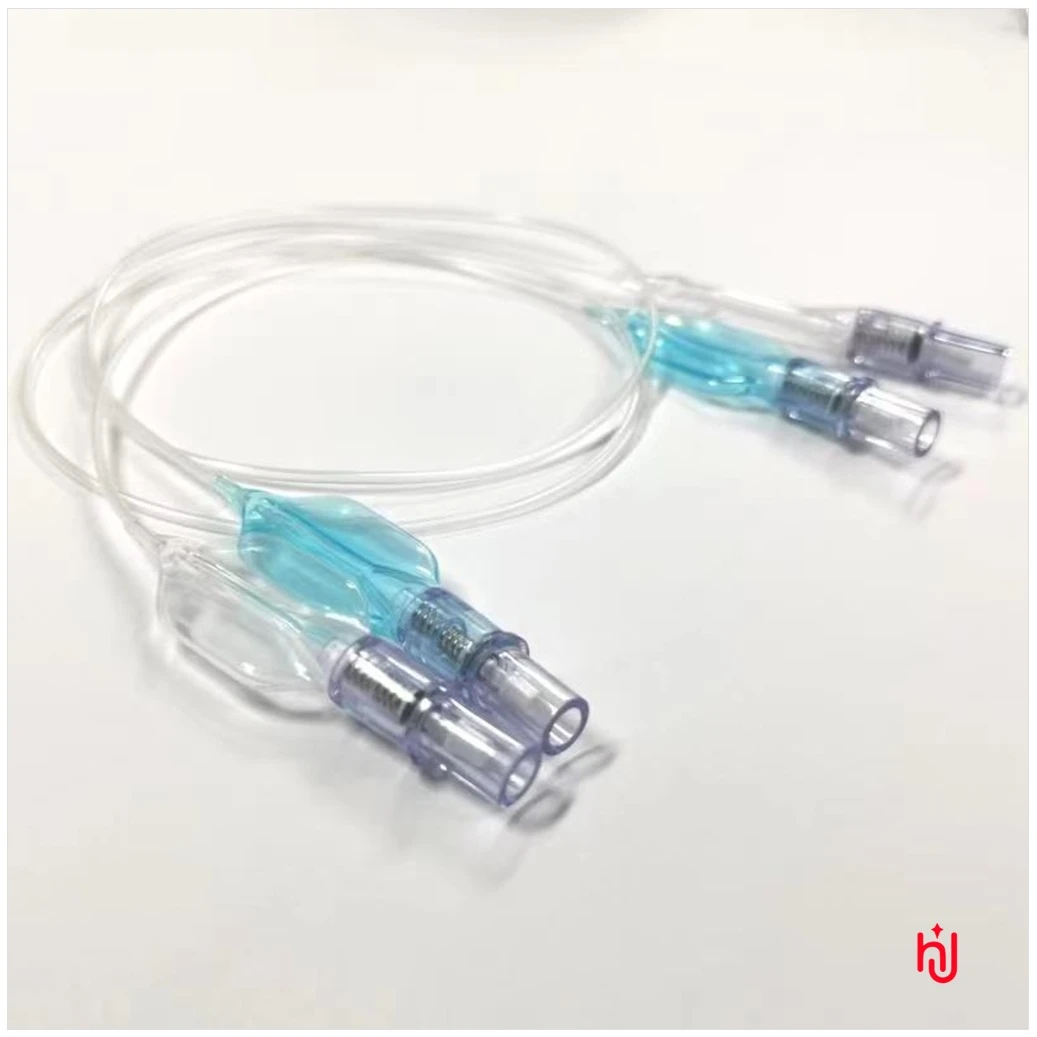
As a medical components and parts supplier, we take pride in offering high – quality products. Our components are designed to be easy to install and integrate with your existing systems. We provide detailed documentation and excellent customer support to help you through the installation process. Whether you’re a small clinic or a large hospital, we have the right components to meet your needs.
medical components / parts If you’re interested in learning more about our products or have any questions about installing medical software – related components, don’t hesitate to reach out. We’re here to make your life easier and ensure that your medical facility runs smoothly with the best – in – class components.
References
- Manufacturer’s installation manuals for various medical components
- Industry best practices for medical software and hardware integration
- Internal knowledge base from our experience as a medical components supplier
Guangdong Huaju Medical Technology Co., Ltd.
Guangdong Huaju Medical Technology Co., Ltd. is one of the most professional medical components / parts manufacturers and suppliers in China, featured by quality products and good service. Please rest assured to buy bulk premium medical components / parts made in China here from our factory.
Address: FLOOR 3-4-5, BLOCK B, ZHONGJING RD #12, ZHONGSHAN, GUANGDONG, CHINA 528437
E-mail: celia@endotra.com
WebSite: https://www.endotra.com/
