Hey there, if you’re in the packaging game, you’ve probably heard “laminated rollstock film” thrown around more than a snack wrapper at a trade show. But let’s cut the jargon—what’s the big deal for you, and why should you care about working with someone who actually knows this stuff (hint: that’s us, your go-to rollstock film supplier)? I’ve been helping brands, food producers, pharma folks, and even consumer goods companies pick the right packaging for over a decade, and laminated rollstock isn’t just a fancy upgrade—it’s a game-changer for so many pain points I hear about every week. Let’s break down why this material deserves a spot in your next packaging line, no fluff included. Rollstock Film
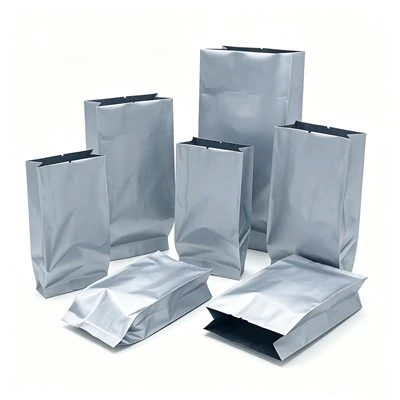
First off, let’s get one thing straight: laminated rollstock isn’t just “one more plastic film.” It’s built by fusing two or more different film layers together with adhesive—usually things like polyester (PET), low-density polyethylene (LDPE), polypropylene (PP), or even aluminum foil, depending on what you need. That layering isn’t random, either. Each layer has a specific job, so you get the best of every single material instead of settling for compromises that basic single-layer films force on you. Let’s start with the most obvious win people notice right away: barrier performance. If your product deals with air, moisture, light, or even oils—this is where laminated rollstock shines. Let’s say you’re packaging coffee, for example. Single-layer films might let oxygen seep in, turning beans stale in a week, or let moisture escape, making grounds clumpy. Laminating a PET layer (which blocks light) with an aluminum foil layer (which stops both oxygen and moisture) turns that rollstock into a barrier powerhouse. I had a craft coffee brand client last year who was using cheap single-layer film and losing 15% of weekly batches to staleness after just two weeks on shelves. Switched to a PET-aluminum-LDPE laminated rollstock, and those numbers dropped to less than 2%—that’s money back in their pocket, and happier customers who don’t complain about “flat tasting coffee.” For pharma? Even more critical. You can’t have moisture getting into tablet blister packs or light ruining liquid medications. Laminated rollstock lets you hit exact barrier specs tailored to your product, not a one-size-fits-all mess. That’s not just a “nice perk”—it’s non-negotiable for shelf life, waste reduction, and regulatory compliance.
Next up, durability and strength, which is a huge deal for any packaging line that’s moving products fast. Think about it: if your rollstock tears mid-wrap, your production line stops, that’s downtime, wasted product, and overtime for your team—all costs nobody wants. Single-layer films tend to be flimsy, especially if you’re packaging heavier items like snack bars, frozen foods, or pet food. Laminated rollstock combines the tensile strength of things like PET with the flexibility of LDPE, so it can handle the tension of high-speed packaging machinery without snapping. I worked with a frozen pizza brand last quarter who was using a thick single-layer PP film that kept breaking at their 60 packages-per-minute line, causing 10+ stops a day. We swapped them for a PET-PP laminate, and that tear rate went down to almost zero. Bonus: it also resists punctures, so sharp edges on frozen veg, metal clips on nuts, or even rough handling on delivery don’t puncture the package. Less punctures mean no spills in shipping, no wasted product, and way fewer returns. That durability also translates to the product shelf—no crinkled, torn packages on store shelves that shoppers skip over. Presentation matters, and a sturdy, intact package looks way more professional than a beat-up one.
Wait, let’s talk about versatility, because that’s where laminated rollstock really outshines other packaging materials. You can customize the layers, thickness, and even add features that other films can’t pull off easily. Need a heat-sealable layer for your packaging machine? LDPE is perfect for that, so laminate it with a tough PET outer layer. Want foil for tamper-evident seals? Foil can be one of the inner layers, so you get that tamper protection without making the whole package too rigid. Even for different product types—liquid, dry, frozen, high-fat, fragile—we can tweak the laminate to fit. For liquid condiments like ketchup, you need a layer that resists grease and doesn’t leak, so a nylon-LDPE laminate works great. For fragile items like individual electronics accessories, a soft, scratch-resistant PET layer protects the product while the LDPE seals in moisture. The point is, there’s no “one size” here—we can adjust the laminate to your exact product, not make your product fit a pre-made film. That’s something a lot of generic film suppliers can’t do, because they’re just pushing a single product instead of collaborating on a solution.
Oh, and let’s not forget printability—because if you’re selling on retail shelves, your packaging has to stand out. Laminated rollstock’s outer layer (usually PET or PP) has a smooth, even surface that works way better for high-quality graphics than textured or thin single-layer films. You can do full-color printing, vibrant logos, clear nutrition labels, even subtle finish effects like matte or gloss that make your product pop next to competitors. A craft granola client I had a while back was using a plain LDPE film that printed like garbage—colors looked dull, the logo smudged, and shoppers often passed it by for brands with bolder packaging. Switched to a glossy PET-LDPE laminate, and their print quality went from “meh” to “eye-catching” — sales jumped 22% in three months, just from better packaging presentation. That’s a direct ROI from using laminated rollstock that a lot of brands sleep on.
Wait, let’s address a common misconception: some people think laminated films are less eco-friendly, but that’s not the whole story. Yeah, some laminates use multiple materials, but modern lamination tech means we can make films that are recyclable now—lots of our laminated rollstock is compatible with standard film recycling programs, no special handling needed. Plus, the waste reduction from longer shelf life and less product damage? That’s way bigger for the environment than the material itself. Think about it: if a package lasts twice as long, you’re not throwing away expired product, you’re not using extra packaging to replace torn bags, and your supply chain is more efficient. We even offer mono-material laminates now—all PP or all PET—so they’re fully recyclable in their respective streams, no mixing materials that are hard to process. It’s not perfect, but it’s way more sustainable than cheap single-layer films that cause way more waste. And for brands that care about green credentials (which most do now), that’s a huge selling point for both customers and investors.
Now, let’s be real—why work with a supplier that specializes in this, instead of just grabbing the cheapest film online? Because laminated rollstock isn’t something you just order off a catalog. You need to know which layers work for your product, your machinery, and your goals. I’ve seen brands go cheap and use a wrong laminate that ended up ruining their entire product line—like a snack company that used a foil laminate for a product that needed to breathe, so their chips went moldy in two weeks. As your rollstock supplier, we’ll actually sit down with you: ask about your product (wet, dry, frozen?), your packaging line speed, your shelf life goals, even your budget. We’ll test different laminates for you, give you samples, tweak the layers until it’s exactly what you need. No pushy sales pitches, no generic advice—just actual experience with hundreds of different products.
The best part? Laminated rollstock saves you money in the long run, even if it costs a little more upfront. Let’s do quick math: that coffee brand I mentioned earlier spent $2,000 a week on wasted product and lost sales with cheap film. With the laminated rollstock, that cost dropped to $300 a week—so they saved $88,000 a year. The frozen pizza brand cut their downtime costs by $12,000 a year from fewer tear stops. The granola brand’s sales jump? That’s extra revenue they wouldn’t have gotten otherwise. Yeah, the initial per-pound cost is a bit higher, but when you factor in reduced waste, less downtime, longer shelf life, and better sales? It’s a no-brainer.
If you’re tired of single-layer films that can’t keep up with your products, constant packaging failures, or dull graphics that don’t stand out on shelves, it’s time to make the switch to laminated rollstock. We’re here to help you figure out exactly what your brand needs—no fluff, no jargon, just straight talk and solutions that work for your bottom line.
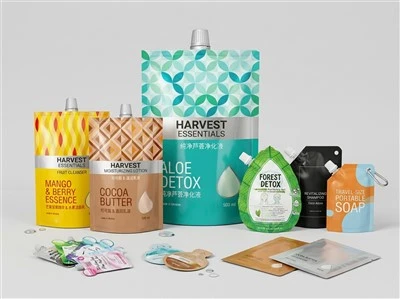
So, if you’re ready to stop dealing with packaging headaches and start using a material that works as hard as your brand, reach out to us to discuss your rollstock film needs. Let’s chat through your product, your line, and your goals to find the perfect laminated solution for you. Don’t waste another batch or another sale on subpar packaging—let’s make your packaging work for you.
Beverage Packaging Solutions References:
- Packaging Association for Consumer Products. (2022). “Barrier Properties of Laminated Flexible Films for Food Packaging.” Journal of Flexible Packaging Materials, 18(3), 45-62.
- Sustainable Packaging Coalition. (2023). “Recyclability of Mono-Material Laminated Rollstock Films.” Green Packaging Standards Report, 12, 19-31.
- Flexible Packaging Association. (2021). “Durability and Downtime Reduction with Laminated Rollstock for High-Speed Packaging Lines.” Industrial Packaging Efficiency Guide, 7, 89-104.
- Food and Drug Administration. (2022). “Regulatory Compliance for Laminated Packaging in Pharmaceutical and Food Applications.” FDA Packaging Guidelines Update, 5, 1-17.
Qingdao Senlida Packing Co., Ltd.
Qingdao Senlida Packing Co., Ltd. is one of the most experienced rollstock film manufacturers and suppliers in China since 1995. With a professional production team, we are able to meet the needs of the majority of our customers. Please feel free to buy high quality packing products at competitive price from our factory.
Address: No.299 Feichao Road, Luwang Town, Huangdao District, Qingdao, Shandong Province, China.
E-mail: liuxh@qdsenlida.com
WebSite: https://www.senlidapacking.com/
