If you’ve ever dipped your toes into 3D printing, odds are you’ve heard of resin printers—they’re everywhere for small, detailed projects like jewelry molds, dental appliances, and mini figurines. But if you’ve started looking at specialized tools for industries like jewelry making, lost-wax casting, or even small-batch manufacturing, you’ve probably seen wax 3D printers pop up too. I run a wax 3D printer supply company, so I get a ton of questions every week from folks who can’t tell the two apart beyond “one uses wax, one uses resin.” Let’s break this down straight—no jargon, no fancy marketing fluff, just what actually sets these printers apart, and why that difference matters for your projects. Wax 3D Printer
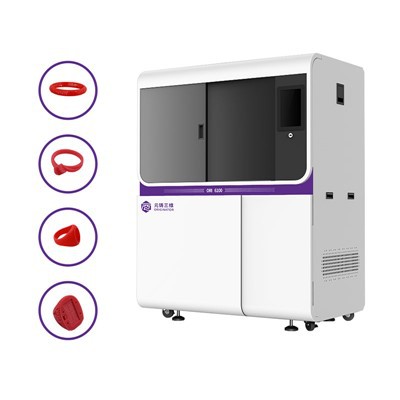
First, let’s get the basics out of the way: both are vat photopolymerization printers, right? That means they cure liquid resin (or in wax printers’ case, a photopolymer-infused wax blend) with UV light to build parts layer by layer. But that’s where the similarities end. Let’s start with the material itself, because that’s the whole point. Resin is a synthetic polymer, usually a mix of acrylics or methacrylates, that hardens when exposed to UV light. There are a million different resin types—standard clear, tough, flexible, high-temperature, even ones infused with metal for “metal resin” prints. Wax printers? Their “resin” is actually a blend of specialty waxes (think paraffin, beeswax, or microcrystalline wax) mixed with a small amount of photopolymer to let UV light cure it. The wax isn’t just a different base—it behaves totally differently during and after printing.
Wait, let’s talk about print quality first, because that’s a big one for people used to either tech. Resin printers are legendary for insane detail. I’ve seen someone print a 1/100 scale model of the Eiffel Tower with every rivet, every little arch, crisp as a photo—stuff you couldn’t do with an FDM printer. That’s because resin has really low viscosity (it’s thin, like syrup), so the layer lines are super thin—usually 0.02mm to 0.1mm thick. You can print tiny, delicate features, like the prongs on a engagement ring setting or the canals in a dental aligner, without them breaking. But here’s the catch: that detail only stays if you handle it right. Resin parts are brittle, especially the standard ones. If you bend a small resin figurine to fit in a jewelry mold, it’ll snap.
Wax printers? Their layers are a little thicker, usually 0.05mm to 0.15mm, because wax is a bit thicker than liquid resin. But wait—what they lose in super micro-detail, they make up for in what the part is actually for. Wax parts are designed to be burned away, right? That’s lost-wax casting, the oldest casting method around. If you print a wax part, you melt or burn it out of a mold, leaving a perfect hollow metal part behind. Resin? You can’t do that easily. Most resin resins leave ash when they’re burned, not a clean melt. Some specialty “casting resins” are made to burn out, but they’re not true wax—they leave more residue, so you have to clean the mold way more after. And wax parts are flexible, almost rubbery when they cool, so you can bend a tiny wax ring setting to fit a mold, pop it right out, no snapping. That’s a huge win for anyone doing jewelry.
Next, let’s talk about post-processing. This is where I see so many people mess up when they switch from resin to wax. For resin printers, after you pull a part off the build plate, you have to wash it in isopropyl alcohol (IPA) to get rid of the uncured resin, then cure it under a UV light box for 10-30 minutes to make it fully hard. If you skip either step, your part will be sticky and break apart later. Wax printers? No IPA needed. The uncured wax blend is non-sticky, water-soluble, usually. You just pull the part off the build plate, rinse it with warm water to get any stray wax residue off, and you’re done. No fumbling with 91% IPA bottles that smell like nail polish remover, no worrying about spilling it on your floor. That’s a massive time-saver for small workshops, especially if you’re printing a bunch of parts at once.
But wait—what about durability during printing? Resin printers can have a problem with parts warping or peeling off the build plate, right? Especially when you print tall, skinny parts, like a necklace pendant. The resin can shrink a little when it cures, and if it’s not attached well, it pulls away from the plate. Wax? It shrinks way less. Wax has a super low cure shrinkage—usually less than 1%, compared to 5-10% for standard resin. So tall, thin wax parts stay perfectly straight, no warping. I’ve had customers print a 6-inch wax sword hilt that’s perfectly smooth, no bend, while their resin versions kept warping halfway through the print. That’s a game-changer for larger wax projects.
Now, let’s get into the cost side, because that’s what everyone cares about. Resin printers themselves are way cheaper, right? You can get a basic resin printer for $200-$500, like the Elegoo Mars or Anycubic Photon. Wax printers? They’re more expensive, usually $2,000-$10,000, depending on the size and features. But here’s the catch: resin is expensive, especially for high-quality casting resin. A 1kg bottle of good casting resin is $50-$80. Wax printer material is cheaper—1kg of wax blend is $20-$40, and it’s also non-toxic, so you don’t have to deal with the fumes from resin. Wait, resin fumes—oh right, that’s a big one. Standard resin gives off volatile organic compounds (VOCs) when it cures. You have to print in a well-ventilated area, wear a mask, because long-term exposure isn’t great. Wax printers? Their material is food-safe, non-VOC, no fumes. You can print in your home workshop, no fancy ventilation setup needed. That’s a huge plus for hobbyists or small business owners who don’t have a dedicated print room.
But let’s not act like wax printers are better for everyone. Resin is still the go-to if you need super tiny, super detailed parts for things like miniatures, small figurines, or even some dental models. Wait, dental—most dental labs use resin printers, right? Because they need the tiny detail for crowns or aligners that fit perfectly in a patient’s mouth. You can’t get that micro-detail with a wax printer. But if you’re doing jewelry, lost-wax casting, custom metal parts for small batch manufacturing, or even wax prototypes for mold making? Wax is the way to go.
I’ve seen so many people make the mistake of buying a resin printer because it’s cheaper, then end up frustrated when they can’t use their parts for casting. Last month, a customer came to me who’d printed a bunch of resin ring molds, only to find that when he tried to melt them out, they left a bunch of black ash in the mold, so his gold pieces had tiny specks all over them. He wasted $200 on resin and a bunch of gold before he figured out the difference. That’s the problem—most people don’t realize that the material’s end use matters way more than the print quality.
Another difference: build volume. Wait, not always, but most entry-level resin printers have a smaller build plate—usually 130x80mm or so. Entry-level wax printers have a bigger build plate, like 192x120mm, so you can print more parts at once. If you’re printing 20 wax rings for a jewelry run, you can fit all 20 on one build plate, no problem. With an entry-level resin printer, you’d have to print them in batches, which takes more time.
What about maintenance? Resin printers are easy to maintain, but you have to clean the resin vat regularly, replace the FEP film (the plastic layer at the bottom of the vat) every few months, and deal with leftover resin that you have to dispose of properly—since it’s hazardous waste. Wax printers? The vat is usually a cartridge system, so you just replace the wax cartridge when it’s empty, no cleaning out gunk, no hazardous waste. Leftover wax is just regular wax, you can melt it down and reuse it, or throw it in the trash, no problem.
Wait, let’s talk about temperature, because wax is sensitive to heat. Wax printers have a heated build plate, right? Because wax is soft at room temperature, so if you print it on a cold plate, the layer won’t adhere properly. Resin printers don’t need a heated plate, because resin hardens from the UV light, not from cooling. That means wax printers use a little more electricity, and you have to keep them in a room that’s not too cold—below 75°F is ideal. If your workshop is drafty, you might need a heater near the printer. Resin printers can handle cold, no problem, as long as they’re not below freezing.
Let’s wrap this up with a quick cheat sheet, because I know it’s a lot. If you’re choosing between a resin and wax printer, ask yourself: What am I making? If it’s tiny miniatures, dental parts, high-detail decor that you’re not going to cast, go resin. If it’s jewelry, custom metal parts, lost-wax castings, or prototypes that will be burned out, go wax. If you’re a hobbyist just messing around with figurines, resin is cheaper. If you’re a small business owner looking to make cash with custom jewelry, a wax printer will save you money in materials and post-processing in the long run.
At the end of the day, neither is “better” than the other—they’re built for totally different jobs. I’ve seen customers use both: a jewelry maker who has a resin printer for test miniatures and a wax printer for actual castings, a hobbyist who uses a resin printer for D&D figurines and a wax printer for custom wax seals. The key is matching the printer to what you need it for, not just going with whatever’s trending right now.
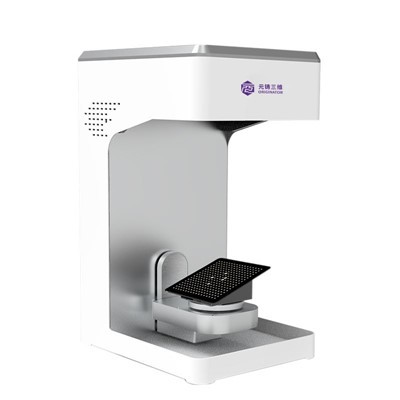
If you’re still not sure which one is right for your projects, feel free to reach out to us. We don’t push expensive models that you don’t need—we’ll help you figure out what fits your workflow, your budget, and what you’re making. Whether you’re just starting out or looking to upgrade your workshop, we’ve got wax printers for every need, from entry-level for hobbyists to industrial models for small production runs. Don’t waste money on a printer that won’t work for your projects—let’s chat and find the right fit for you.
Jewelry 3D Scanner References:
- International Organization for Standardization (ISO). “Vat Photopolymerization Processes for Additive Manufacturing.” ISO/ASTM 52900:2021.
- Jewelry Industry Manufacturers Association. “Lost-Wax Casting: Material and Process Considerations.” JIMA Technical Report, 2022.
- Additive Manufacturing Materials Database. “Photopolymer Properties for Resin and Wax-Based 3D Printing.” National Institute of Standards and Technology (NIST), 2023.
Hangzhou Originator 3D Technology Co., Ltd.
Hangzhou Originator 3D Technology Co., Ltd. is one of the most experienced wax 3d printer manufacturers and suppliers in China. With abundant experience, we warmly welcome you to wholesale high quality wax 3d printer made in China here from our factory. Contact us for more details.
Address: Room 403, Building 2, Block B, Heda Incubation Park,No. 452, 6th Avenue, Xiasha, Qiantang District,Hangzhou, Zhejiang, China
E-mail: Sales@originator3d.com
WebSite: https://www.originator3d.com/
