Hey there! I’m a supplier of forged steel pipe fittings, and I’ve been thinking a lot about the environmental impacts of what I do. I mean, we’re all aware that manufacturing stuff has some kind of effect on the planet, but it’s important to dig deeper and see exactly what’s going on when it comes to making forged steel pipe fittings. Forged Steel Pipe Fittings
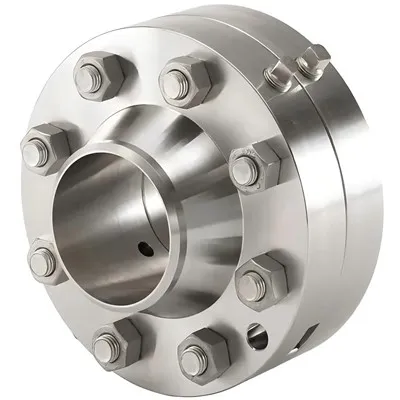
Let’s start with the raw materials. Steel is the main ingredient here. To get that steel, mining operations are a must. Mining iron ore, which is a major component of steel, can have some serious environmental consequences. The process of extracting iron ore involves removing large amounts of earth and rock. This can lead to deforestation and habitat destruction. A whole bunch of plants and animals lose their homes, and it can disrupt entire ecosystems.
And then there’s the pollution associated with mining. Open – pit mines, for example, can release dust and particulate matter into the air. This is not only bad for the environment but also for the health of the people living near these mines. Water pollution is another big issue. The runoff from mining sites can contain heavy metals and other harmful substances. These can seep into nearby rivers, lakes, and groundwater, contaminating water sources and harming aquatic life.
Once we’ve got the iron ore, it’s time to turn it into steel. Steelmaking is an energy – intensive process. Most steel production uses a lot of coal as a fuel source. Burning coal releases a significant amount of greenhouse gases, mainly carbon dioxide. And we all know that carbon dioxide is a major contributor to climate change. The more we produce steel, the more coal we burn, and the more carbon dioxide we pump into the atmosphere.
The manufacturing of forged steel pipe fittings also involves a lot of energy. Forging is a process where steel is heated and then shaped. Heating the steel to high temperatures requires a substantial amount of energy. Whether it’s using natural gas or electricity, this energy consumption adds to our carbon footprint. And let’s not forget about the energy used in the machinery and equipment we use in the manufacturing process. From the furnaces to the presses, all these things need power to operate.
Another environmental concern is waste generation. During the forging process, there’s a certain amount of scrap metal produced. This can be due to parts that don’t meet the quality standards or excess material that’s trimmed off. If not properly managed, this scrap metal can end up in landfills. Landfills are already a major problem as they take up a lot of space and can release harmful substances over time. But the good news is that scrap metal is recyclable. We can actually reuse it and turn it back into new steel products.
Chemical use is also a part of the manufacturing process. For example, pickling is a common operation where the steel is treated with acids to remove oxides and scale. These acids can be harmful to the environment if not properly handled. Improper disposal of the spent acids can lead to soil and water pollution. And the fumes released during the pickling process can be toxic and contribute to air pollution.
But it’s not all doom and gloom. There are ways we can reduce the environmental impacts of manufacturing forged steel pipe fittings. First of all, we can focus on improving energy efficiency. By using more advanced technology and better – designed equipment, we can reduce the amount of energy needed to produce the same amount of pipe fittings. For example, some manufacturers are starting to use induction heating instead of traditional furnaces. Induction heating is more energy – efficient and can heat the steel more precisely.
Recycling is another big step. As I mentioned earlier, scrap metal can be recycled. We can set up proper recycling systems to ensure that as much scrap as possible is reused. This not only reduces waste but also saves energy as recycling steel requires less energy than producing it from scratch.
When it comes to chemical use, we can use more environmentally friendly alternatives. There are some new types of pickling agents that are less harmful to the environment. And by implementing better waste management practices for chemicals, we can prevent pollution.
I understand that for many of our customers, the price is a major factor when it comes to choosing forged steel pipe fittings. But I think it’s also important to consider the environmental impacts. If we all work together, we can make a difference. As a supplier, I’m committed to reducing the environmental footprint of our manufacturing process.
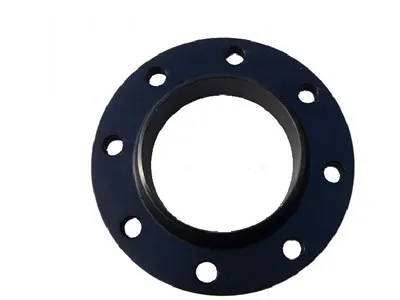
If you’re in the market for forged steel pipe fittings, I’d love to talk to you. Whether you’re a contractor, a builder, or someone involved in industrial projects, I’m here to offer you high – quality products at a competitive price. And more importantly, I can assure you that we’re constantly working on making our manufacturing process more sustainable. So don’t hesitate to get in touch if you’re interested in working with us. Let’s build a better future together, both in terms of the infrastructure we create and the impact we have on the environment.
Bs Flange References:
- Various research studies on steel production and environmental impacts
- Industry reports on forging processes and waste management
Shanxi Xinshunda Flange Manufacturing Co., Ltd.
As one of the most professional forged steel pipe fittings manufacturers and suppliers in China, we also support customized service with competitive price. We warmly welcome you to wholesale high quality forged steel pipe fittings for sale here from our factory. For quotation, contact us now.
Address: Zhunagli Industrial Zone,jinchang Town,dingxiang,shanxi,china
E-mail: sales01@xinflange.com
WebSite: https://www.xinflange.com/
