Hey there! I’m a supplier of other sewage treatment equipment, and I often get asked if this kind of equipment can be used in combination with other treatment systems. Well, the short answer is yes, and in this blog, I’m gonna dive deep into why and how that works. Other Sewage Treatment Equipment

First off, let’s talk about why combining other sewage treatment equipment with other treatment systems is a great idea. Different treatment systems have their own strengths and weaknesses. For example, a biological treatment system is really good at breaking down organic matter in sewage. It uses microorganisms to convert the organic stuff into simpler, less harmful substances. But it might not be as effective when it comes to removing heavy metals or certain chemicals.
That’s where our other sewage treatment equipment comes in. We’ve got a range of products that are designed to target specific pollutants. Take our chemical filtration units, for instance. These bad boys can remove heavy metals, like lead and mercury, from the sewage. By combining a biological treatment system with our chemical filtration unit, you can get a much more comprehensive treatment of the sewage. You’re basically covering all the bases and making sure that the treated water meets the strict environmental standards.
Another reason to combine different treatment systems is to increase the overall efficiency of the sewage treatment process. Let’s say you have a large volume of sewage to treat. A single treatment system might struggle to handle it all in a timely manner. But if you combine our other sewage treatment equipment with, say, a membrane bioreactor (MBR) system, you can speed up the treatment process. The MBR can handle the bulk of the organic matter, and our equipment can then take care of the remaining pollutants. This way, you can treat more sewage in less time, which is great for large – scale sewage treatment plants.
Now, let’s get into the nitty – gritty of how to combine our other sewage treatment equipment with other treatment systems. The key is to understand the flow and characteristics of the sewage. You need to know what kind of pollutants are present in the sewage, and at what concentrations. This will help you determine the order in which the different treatment processes should be carried out.
Typically, the first step in sewage treatment is the physical treatment. This involves removing large solids and debris from the sewage. You can use screens and grit chambers for this. After that, you can move on to the biological treatment. This is where the microorganisms do their thing. Once the biological treatment is done, you can introduce our other sewage treatment equipment. For example, if you’re dealing with sewage that has a high concentration of industrial chemicals, you can use our advanced oxidation equipment. This equipment uses powerful oxidants to break down the chemicals into less harmful substances.
It’s also important to consider the compatibility of the different treatment systems. You don’t want to mix two systems that will react negatively with each other. Before installing a combination of treatment systems, it’s a good idea to consult with a professional. They can help you design a system that works seamlessly together.
In some cases, combining treatment systems can also lead to cost savings. While the initial investment in multiple treatment systems might seem high, in the long run, it can reduce the overall operating costs. For example, if you use a combination of biological and chemical treatment systems, you can reduce the amount of chemicals needed for treatment. This not only saves money but also reduces the environmental impact of the treatment process.
Let me give you a real – world example. There was a small town that was struggling with its sewage treatment. Their existing treatment plant was only using a basic biological treatment system, and the treated water was still not meeting the environmental standards. They decided to contact us and we recommended a combination of our chemical filtration equipment and their existing biological system. After the installation, the quality of the treated water improved significantly. The town was able to save money on fines for non – compliance and also reduced the amount of water pollution in the nearby river.
So, as you can see, combining other sewage treatment equipment with other treatment systems is not only possible but also highly beneficial. It offers a more comprehensive and efficient way to treat sewage, and can help you meet the strict environmental regulations.
If you’re interested in learning more about how our other sewage treatment equipment can be combined with your existing treatment systems, or if you’re looking to set up a new sewage treatment plant, don’t hesitate to reach out. We’ve got a team of experts who can help you design the perfect system for your needs. Whether you’re a small – scale operation or a large industrial facility, we’ve got solutions that can work for you.
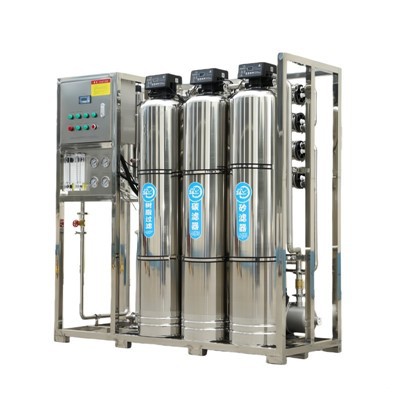
Let’s work together to make our environment cleaner and healthier by treating sewage more effectively. Contact us today to start the conversation about your sewage treatment needs.
Specialized Wastewater Treatment Equipment References
- "Sewage Treatment: Principles, Processes, and Modeling" – A comprehensive book on sewage treatment methods and their combinations.
- "Environmental Science: Toward a Sustainable Future" – This resource provides insights into the importance of effective sewage treatment and the role of combined systems.
Shandong Lingke Environmental Technology Co., Ltd.
We’re well-known as one of the leading sewage treatment equipment manufacturers and suppliers in China, featured by quality products and good price. Please rest assured to buy durable sewage treatment equipment for sale here from our factory. Customized orders are welcome.
Address: 100 Meters South of the Intersection of County Road 042 and National Highway 309, Changle County, Weifang City, Shandong Province
E-mail: aileenlin@sdlingkegroup.com
WebSite: https://www.lkecotech.com/
