Setting up a beehive is an endeavor that combines the allure of nature with the potential for a rewarding agricultural venture. As a beehive supplier, I’ve witnessed the growing interest in beekeeping, from hobbyists looking to connect with nature to commercial operators aiming for honey production and pollination services. However, understanding the costs involved in setting up a beehive is crucial for anyone considering this venture. In this blog, I’ll break down the various expenses associated with starting a beekeeping operation, providing you with a comprehensive overview to help you plan your budget effectively. Beehive
Initial Equipment Costs
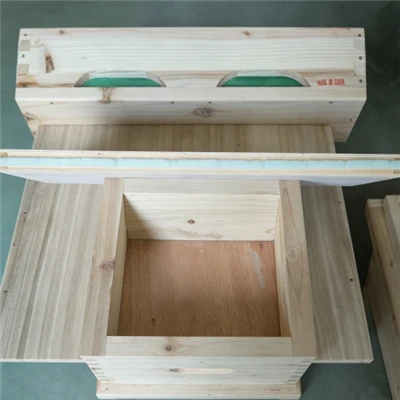
The first significant cost in setting up a beehive is the purchase of the beehive itself. There are several types of beehives available on the market, each with its own features, advantages, and price points. The most common type is the Langstroth hive, which is widely used due to its modular design and ease of management. A basic Langstroth hive kit, which typically includes the hive body, frames, foundation, and a cover, can cost anywhere from $150 to $300, depending on the quality of the materials and the brand.
In addition to the hive, you’ll need to invest in protective gear to ensure your safety while working with the bees. This includes a bee suit, gloves, and a veil. A good-quality bee suit can cost between $50 and $200, depending on the material and the level of protection it offers. Gloves and veils are relatively inexpensive, with prices ranging from $10 to $50.
You’ll also need some essential tools for beekeeping, such as a smoker, hive tool, and bee brush. A smoker is used to calm the bees during hive inspections, while a hive tool is used to pry open the hive and separate the frames. A bee brush is used to gently remove bees from the frames. These tools can be purchased individually or as a set, and the cost can range from $20 to $50.
Bee Costs
Once you have the equipment, you’ll need to purchase the bees themselves. There are two main ways to acquire bees: buying a package or a nucleus colony (nuc). A package typically contains 3 pounds of bees (about 10,000 to 12,000 bees) and a queen, and it can cost between $100 and $200, depending on the time of year and the availability of bees. A nuc, on the other hand, is a small established colony with a queen, several frames of brood, and bees. It is usually more expensive than a package, with prices ranging from $150 to $300, but it has a higher chance of survival and can start producing honey earlier.
Setup and Site Preparation Costs
Before installing the beehive, you’ll need to prepare the site where the hive will be located. This may involve clearing the area, leveling the ground, and providing a stable base for the hive. You may also need to invest in a hive stand or platform to keep the hive off the ground and protect it from moisture and pests. A simple hive stand can cost between $20 and $50, while a more elaborate platform may cost up to $100.
In addition to the physical setup, you’ll need to consider the cost of obtaining any necessary permits or licenses for beekeeping in your area. These requirements vary depending on the location, so it’s important to check with your local agriculture department or beekeeping association to determine what permits are needed and how much they will cost.
Ongoing Costs
Once the beehive is set up and the bees are installed, there are several ongoing costs associated with maintaining a healthy and productive colony. One of the main ongoing expenses is feeding the bees, especially during the winter months or when there is a shortage of natural nectar and pollen. You can purchase sugar syrup or pollen substitutes to feed the bees, and the cost of these supplies can vary depending on the size of the colony and the duration of the feeding period.
Another ongoing cost is pest and disease management. Bees are susceptible to a variety of pests and diseases, such as varroa mites, wax moths, and American foulbrood. To prevent and control these problems, you’ll need to invest in pest control products and treatments, as well as conduct regular hive inspections to monitor the health of the colony. The cost of pest and disease management can vary depending on the severity of the problem and the type of treatment used.
You’ll also need to replace worn-out equipment and supplies over time. This includes frames, foundation, hive parts, and protective gear. Depending on the frequency of use and the quality of the equipment, you can expect to spend several hundred dollars per year on equipment replacement.
Additional Costs
In addition to the above costs, there are some other expenses that you may need to consider when setting up a beekeeping operation. These include transportation costs for moving the bees and equipment, as well as the cost of attending beekeeping courses or workshops to learn the necessary skills and knowledge. If you plan to sell honey or other bee products, you’ll also need to invest in packaging materials, labeling, and marketing.
Conclusion

Setting up a beehive requires a significant upfront investment, but it can also be a rewarding and profitable venture. By understanding the various costs involved, you can plan your budget effectively and make informed decisions about the type of equipment and bees to purchase. As a beehive supplier, I’m here to help you every step of the way. Whether you’re a beginner or an experienced beekeeper, I can provide you with high-quality beekeeping equipment, bees, and expert advice to ensure the success of your beekeeping operation.
Coffin Accessories If you’re interested in learning more about setting up a beehive or purchasing beekeeping equipment, please don’t hesitate to contact me. I’d be happy to discuss your needs and provide you with a customized quote. Let’s work together to help you achieve your beekeeping goals.
References
- Root, A. I. (2019). The ABC and XYZ of Bee Culture. A. I. Root Company.
- Sammataro, D., & Avitabile, A. (2011). The Beekeeper’s Handbook. Cornell University Press.
- Tautz, J., & Brockmann, A. (2010). The Buzz about Bees: Biology of a Superorganism. Springer.
Dongming Dasheng Wood Industry Co., Ltd.
We are one of the most professional beehive manufacturers and suppliers in China. With abundant experience, we warmly welcome you to wholesale customized beehive made in China here from our factory. If you have any enquiry about cooperation, please feel free to email us.
Address: East side of Matou Town Government, Dongming County
E-mail: dmds2001@126.com
WebSite: https://www.dashengwood.com/
