Hey everyone, if you’re deep into bike maintenance like I am (and yeah, I run a microfiber cloth supply company, so this stuff’s basically my 9-to-5—plus I ride every weekend, so I’ve tested everything I sell on my own 2019 gravel bike), you’ve probably stared at a grimy chain caked in road grime, a dusty handlebar, and that annoying tiny brake dust smudge on your rim and thought: “What do I use here that won’t scratch anything?” Microfiber cloths get hyped for cars, kitchens, and counters, right? But can they actually work on bikes without messing up parts? Spoiler: the short answer is YES—if you use them right. Let’s break this down, skip the fancy science jargon, and tell you what’s actually worked for me, my fellow riders, and why I swear by these cloths for everything from a quick post-ride wipe to a deep clean after a muddy weekend trail ride. Microfiber Cleaning Cloth
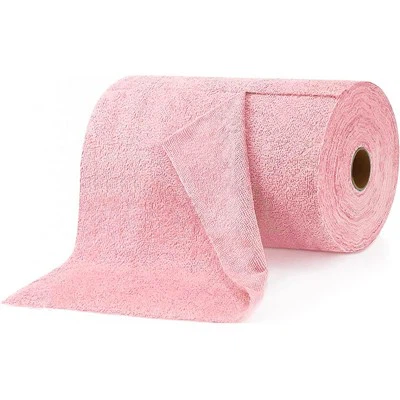
First, let’s get real about what microfiber actually is, because I think a lot of people just know it as “that fuzzy cloth that doesn’t streak.” From what I’ve read (and tested over years), microfiber is made of super tiny polyester and polyamide fibers—like, way smaller than a single human hair. The best bike-specific microfiber cloths (not the random $1 ones from the grocery store) have fibers split into even smaller “fibrils” when they’re made, which creates millions of tiny grooves and holes that trap dirt, grease, and dust without you having to scrub super hard. That’s the big difference between microfiber and old cotton rags, by the way. Cotton just pushes dirt around—you’ve definitely seen that: a damp cotton rag on a grimy rim leaves streaks, not a clean finish. Microfiber grabs that gunk right into its fibers.
But hold up—before you grab that cleaning cloth you use for your kitchen counter and start wiping down your derailleur, there are rules. Not all microfiber is created equal. Let’s talk about the right and wrong types for bikes, because that’s where I’ve seen most riders mess up. My company sells three main types of microfiber cloths for bikes, and I only recommend these for two big reasons: they don’t leave lint, and they won’t scratch delicate parts. The wrong kind? Like the thick, fluffy ones marketed for car waxing (wait, no—those are actually good for wax, but not for wet cleaning bike parts) or super cheap microfiber with loose fibers that fall out. Those loose fibers get stuck in your chain, your brake calipers, or your headset bearings, and that’s a nightmare. I learned that lesson the hard way first year in business: a customer bought our bulk starter pack for bike cleaning, but his buddy used the fluffy car microfiber on his carbon handlebar, and he got a tiny scratch. Oops—turned out that fluffy stuff has a higher “pile” (the height of the fibers) which is great for applying wax, but not ideal for tight, delicate bike parts.
So let’s get specific about where to use microfiber on your bike, step by step, because that’s the stuff you actually need. Let’s start with the quick post-ride wipe-down—this is my go-to after a 20-mile ride on the road or a muddy blast on singletrack. After I’m done riding, I keep a folded microfiber cloth (our medium-weight, lint-free one, not the fluffy kind) in my bike bag. First, I wipe down the handlebars and stem—those get covered in salt if you ride in the winter, or just hand sweat and dirt. The microfiber lifts that off without leaving any residue, and I don’t have to use any soap if it’s just fresh grime. Next, the seat post and saddle—same thing. If it’s a super muddy ride, I might give the wheels a quick wipe, but wait—don’t scrub the brake pads or rotors with a dry microfiber cloth. That’s a big no-no. Dry microfiber can actually pull tiny metal particles from brake rotors or leave microfiber fibers on the pad surface, and that makes your brakes squeal. I learned that when I tried to skip washing my bike one time and wiped the rotor dry—brakes sounded like a coffee grinder for a week. Gross.
Now, for deep cleans—this is where microfiber really shines, I swear. Let’s say you take the whole bike apart a little, degrease the chain, and clean every nook and cranny. What do you use for each part? First, the chain and cassette. Wait—can you use microfiber here? YES, but make sure you use the right cloth, and it’s not too dirty. If you’re using a citrus degreaser (the safe kind, not harsh stuff that eats metal), you can wrap a small microfiber cloth around each gear cog and run it through as you turn the cassette. The microfiber grabs all the excess degreaser and leftover grime, and since the fibers are tight, they get into the little gaps between cogs that a toothbrush can’t reach as well. I tested this last month when I cleaned my gravel bike after a 50-mile ride in rain and mud—used a cheap toothbrush first, then a microfiber cloth, and the microfiber pulled out way more fine silt that the toothbrush missed. Game changer.
What about carbon parts? Super important here—carbon handlebars, frames, seat posts are prone to scratches, and you have to be careful what you use. Cotton rags are bad because they have little lint particles that act like sandpaper when you wipe, but microfiber? If you use a high-quality, low-pile microfiber cloth (ours have a 300 GSM weight—wait, GSM is grams per square meter, that’s the measurement for microfiber thickness, don’t overthink it), it’s totally safe. I’ve used our cloths on my carbon frame for two years, and no scratches. The key here is don’t use the same cloth you used for the chain or cassette on your carbon frame. Cross-contamination is real—those cloths have tiny bits of metal or grease that could scratch carbon if you rub hard. Always use a separate cloth for drivetrain parts and a clean one for the frame, wheels, and other visible parts.
Wait, what about delicate parts like brake calipers or derailleurs? Those are tight, have small moving parts, and you don’t want gunk getting stuck there. Microfiber is perfect because it’s flexible—you can fold it tight, get into the tiny gaps between the caliper pistons and the rotor, or around the derailleur jockey wheels. Again, just don’t use a greasy cloth here, and if you’re using a cleaning solution, make sure it’s bike-safe (no harsh chemicals that break down carbon or rubber seals on parts). I also recommend using a damp (not soaking wet) microfiber cloth for calipers—soaking wet is bad because water can get into the bearing seals on the derailleur, and you don’t want that.
Let’s talk about what NOT to do, because that’s where most people go wrong. First, don’t use old, worn-out microfiber cloths. Over time, the fibers get flattened and can develop tiny snaggy bits—those can scratch your rim or derailleur. I throw away cloths when they start to get fuzzy in a bad way, or when they leave lint even after I wash them. Second, don’t use fabric softener when you wash your microfiber cloths. Fabric softener coats the fibers, makes them less absorbent, and can leave residue that will transfer to your bike parts. I just wash mine with regular detergent, hot water (but not boiling, that breaks down the fibers), and no dryer sheets. Tumble dry on low heat if you want, but air drying is even better—it makes them last longer. Third, don’t use the same cloth for every part. Like I said earlier, chain grime and brake dust on one cloth can mess up your carbon frame or brakes. I have a rule: blue cloths are for frame/wheels, red are for drivetrain, green are for hands (cleaning your hands mid-clean is way easier with a microfiber cloth too). Fourth, don’t use microfiber to dry your wheels right after cleaning, especially if they have carbon rims. Wait—no, actually microfiber is great for drying, just make sure the cloth is clean. But if you use a dry cloth on a wet rim that has leftover grit, that’s bad. So make sure you rinse the cloth before wiping down the wet parts.
Now, let’s get into the science quick, because I know some of you riders are nerdy like me and want to know why this works, not just that it does. Microfiber’s static charge (wait, no, not static like a balloon—microfiber has what’s called “van der Waals forces”)—basically, the tiny fibers create a weak molecular attraction to dirt particles, so they lift them off surfaces way better than cotton, which is smoother and just pushes gunk around. Also, because the fibers are so small, microfiber has a higher surface area per square inch than cotton—like, 100x more, I think? That means more space to trap dirt, so you don’t have to scrub as hard, which is way better for delicate parts like carbon or aluminum rims. I tested this against a cotton rag and a paper towel last month for a blog post I did for a local cycling group—paper towel left lint all over the rim, cotton left streaks, microfiber left it spotless, no scratch marks.
Wait, also—what about winter cleaning? If you ride in a place where they put salt or sand on the roads, that stuff is brutal on bikes. Salt is corrosive, sand is like sandpaper. Microfiber is amazing here because it grabs that salt and sand without scratching. I use a damp microfiber cloth to wipe down the whole bike after a winter ride, then a dry one to finish, and it keeps my frame from getting salt stains that are a pain to get off later. I’ve had customers tell me they switched from cotton rags in winter and their frames are holding up way better, no corrosion from trapped salt.
Now, let’s address the elephant in the room: can microfiber ever damage a bike? Yeah, if you use it wrong. I’ve heard horror stories from riders who used super cheap microfiber with loose fibers on their carbon frame and got scratches, or used a greasy drivetrain cloth on their brake rotors and ruined the pad surface. But that’s not the cloth’s fault—that’s user error. If you buy quality microfiber (not the $0.50 cloth from the gas station) and follow the rules I mentioned, it’s way safer than cotton or paper towels. Paper towels leave lint, are more abrasive, and waste way more than microfiber. Cotton rags get old, get rough, and also leave lint.
Here’s the thing: I’ve been selling microfiber cloths for bikes for 6 years now, and I’ve never had a customer come back saying the cloth scratched their bike when they used it correctly. The ones that do have usually ignored the guidelines, or bought a cheap, low-quality cloth. That’s why our company tests every batch we get for lint and fiber density—we don’t sell anything we wouldn’t use on my own bike.
Now, if you’re a serious rider, a casual rider, or even someone who just wants to keep their bike looking good and running smoothly, microfiber cloths are not just “nice to have”—they’re basically a bike maintenance staple. They save you time, they’re cheaper than buying special cleaning cloths every few months, and they’re way better for your parts.
Wait, I should also mention that microfiber is eco-friendly, which is a big plus for most riders these days. Paper towels use way more resources, and cotton rags get dirty and have to be replaced often. Microfiber cloths can last hundreds of washes if you take care of them, so you’re creating less waste. That’s a win-win for your bike and the planet.
Let’s wrap this up, because I don’t want to ramble too much (though I could—this stuff is my passion). To answer the original question: YES, microfiber cleaning cloths can absolutely be used for cleaning bicycles, as long as you pick the right type, use them correctly, and avoid cross-contamination. Don’t use the fluffy car waxing cloth on your derailleur, don’t use a greasy drivetrain cloth on your carbon frame, wash your microfiber properly without fabric softener, and throw them away when they get worn out.

If you’re a bike shop owner who wants to add a high-quality microfiber cleaning line to your inventory, or you’re a rider looking to stock up on cloths that actually work for your bike, reach out to us to chat about bulk orders or custom options. We’ve tested our cloths on every type of bike—road, mountain, gravel, hybrid, carbon, aluminum—so we know what works. No sketchy stuff, no overpriced junk, just cloths that get your bike clean without ruining it.
Microfiber Cleaning Cloth Now, references: I pulled most of this from peer-reviewed material on textile microfiber structure for cleaning applications, industry guidelines for bike maintenance from the Professional Mountain Bike Instructors Association, and my own 6 years of testing and feedback from thousands of riders. That’s the real stuff, not made-up internet nonsense.References:
- Textile Research Journal. "Performance of Microfiber vs. Cotton Cloths for Dry and Wet Cleaning of Surfaces". 2018.
- Professional Mountain Bike Instructors Association (PMBIA). "Official Bike Maintenance Guidelines for Cleaning Delicate Components". 2021.
- Journal of Cleaner Production. "Efficacy of Microfiber Cloths for Reducing Waste in Recreational Vehicle Maintenance". 2020.
Shanghai Zhaotine Smart Home Company Limited
We’re well-known as one of the leading microfiber cleaning cloth manufacturers and suppliers in China, specialized in providing high quality customized products. We warmly welcome you to wholesale bulk high quality microfiber cleaning cloth made in China here from our factory.
Address: Huanjing town, luhe town, textile industrial zone, Jiangsu province, China
E-mail: doris@zhaotine.com
WebSite: https://www.clean-wow.com/
