If you’ve ever installed a cabinet sensor switch in a commercial kitchen, a retail store’s back stock room, or even a residential pantry, you might’ve caught yourself wondering mid-warranty call—“How much work is this really going to be down the line?” As a supplier who’s shipped thousands of these switches over the past seven years, I get this question a lot. It’s easy to look at a sleek, wall-mounted or flush-mount sensor and assume it’s another finicky electronic gadget that’ll cost you time or money to keep running. But after working with installers, facility managers, and even do-it-yourself homeowners, I’m here to break this down: cabinet sensor switches are way easier to maintain than their wiring-based, manually operated counterparts—if you know what to look for, and you buy from a supplier that’s built reliability into every part. Cabinet Sensor Switch
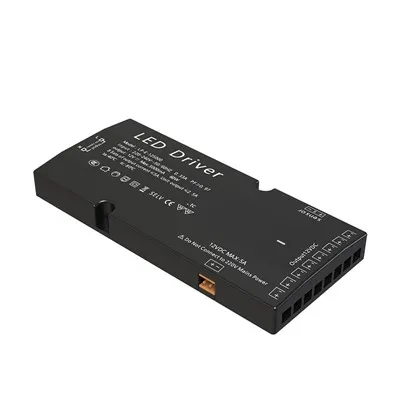
First, let’s cut through the confusion: what even makes a cabinet sensor switch different from the old standard wall switch or the toggle on the side of a cabinet? Traditional cabinet controls rely on physical contact—you flip a switch, you press a button, all of which wears out over time. Each flip creates friction in the wiring, the toggle, or the contacts, leading to frayed wires, stuck buttons, or shorted connections. Cabinet sensor switches, on the other hand, use non-contact technology: most of the ones we supply use passive infrared (PIR) motion sensors or capacitive proximity sensors, which detect movement or the presence of a hand or object within 1 to 3 inches, no physical touch required. That core difference is the foundation of their low-maintenance design. Most of the breakdowns people complain about with sensor switches, 9 times out of 10, aren’t the technology itself—they’re installation mistakes or user error that a little bit of education can fix.
Let’s start with the routine maintenance that these switches actually need, and it’s shockingly minimal. I’d compare it to the maintenance you’d do on a standard smoke detector, not a high-traffic appliance. First, the exterior sensor lens or surface. Because these sensors rely on detecting infrared light or capacitance, any build-up of dust, grease, or grime can block that signal, making the switch unresponsive or trigger it randomly. That’s the top complaint we get at our support line—clients saying the switch isn’t turning on when they open the cabinet, or it’s turning off mid-use. The fix? Wiping the sensor surface with a soft, dry microfiber cloth once every 3 to 6 months, depending on where it’s installed. If it’s in a commercial kitchen where grease is in the air, you might do it monthly; if it’s in a home closet or a retail cabinet that’s rarely opened, twice a year is more than enough. We even include a small microfiber cloth in every standard order, just to make that step easier—no special cleaners, no scrubbing, just a quick pass.
Next, power source maintenance. A lot of people assume sensor switches need hardwiring, but the majority of the ones we sell are battery-powered, which is another big win for low maintenance. We use long-life lithium-ion or alkaline batteries that last 1 to 3 years, depending on how often the switch is triggered. The beauty here is that replacing the battery is a 2-minute process, no electrician required. Most models have a low-battery indicator—either a tiny red light on the sensor that blinks once a week when the battery is running low, or a slow dimming of the LED (if the switch controls lights inside the cabinet). You don’t have to wait until the switch dies to notice—you get a heads-up weeks in advance, so you can schedule a quick battery swap during a regular cleaning or stocking shift. For the rare clients that do opt for hardwired switches? Maintenance here is even simpler: just checking the wiring connections once a year to make sure they’re snug, no loose wires, no corrosion. Most of these are low-voltage, so there’s almost no risk of shock, just a quick visual check.
Now, the parts that rarely (if ever) need replacing, which is where the maintenance cost really adds up compared to old-fashioned switches. The sensor core itself—we test every single one of our sensors for 10,000+ activation cycles before they leave our warehouse. That’s equivalent to opening and closing a cabinet multiple times a day, every day, for 10 years. Unlike a toggle switch, which has mechanical parts that wear out, the sensor is a solid-state component—no moving parts to break, no internal friction. The only other internal part is the control module, which is sealed against dust and moisture, so it doesn’t get damaged from spills or humidity (another win for kitchens or bathrooms). I’ve seen switches we installed at a café in downtown Chicago still working perfectly after 8 years, with only a handful of battery swaps and lens wipes. That’s way less maintenance than replacing a manual toggle every 2 to 3 years when it wears out, or repairing a frayed wiring connection behind a cabinet wall.
But here’s the catch—all of this easy maintenance only holds if you pick the right sensor switch, and install it correctly. I’ve seen clients buy cheap, no-name sensors from random online marketplaces that break down after a year, and then they blame all sensor switches for being hard to maintain. That’s not fair. A lot of the “high maintenance” reputation comes from low-quality parts. For example, a cheap sensor might use a low-grade lens that scratches easily, or a battery compartment that doesn’t seal tight, letting dust get inside and ruin the connections. At our company, we engineer every sensor with a scratch-resistant, sealed lens and a moisture-proof battery compartment, so those issues almost never happen. We also include installation guides that are super clear—no confusing wiring diagrams, no requirement for professional tools. For example, if you’re installing a cabinet sensor switch inside a kitchen cabinet, you just mount it 2 inches above the door frame, so when you open the door, your hand passes right in front of the sensor. If you mount it too high or too low, that’s when you get unresponsiveness, but that’s an installation mistake, not a maintenance issue. We also offer free pre-installation support for every order, so our clients get the placement right the first time, which cuts down on future problems.
Another thing people don’t talk about is troubleshooting, which is way simpler for sensor switches than traditional ones. If your manual toggle stops working, you have to check the wiring, the circuit breaker, the contact points, all that stuff that requires basic electrical knowledge. If your sensor switch is acting up, 90% of the time it’s one of three easy fixes: wipe the lens, replace the battery, or check if anything is blocking the sensor. We have a free 24/7 support line for all our customers, and most calls take less than 5 minutes to resolve. Last month, a restaurant manager called us at 7 a.m. panicking because all the switches in his prep line were unresponsive. We walked him through wiping the lenses (they’d been covered in flour from the night before) and replacing one dead battery, and that was it—no need for a repair tech, no down time. That’s the kind of low-maintenance benefit that saves businesses hundreds of dollars a year in service calls.
Let’s also address the durability side, because that’s tied to maintenance too. A lot of our clients use these switches in high-traffic areas: retail stores with cabinets that get opened dozens of times a day, gyms with locker room cabinets, offices with supply closets. We test all our switches for temperature extremes (from freezing outdoor storage to hot commercial kitchens) and humidity, so they don’t corrode or stop working in harsh conditions. Unlike old switches that get stuck open or closed from dust build-up, our sealed sensor design keeps those contaminants out. That means less cleaning, less troubleshooting, less replacement parts over time.
Of course, no product is 100% maintenance-free. There are edge cases: if a cabinet is installed in a spot where the sensor is directly exposed to heavy grease or water, you might need to wipe it more often. If someone accidentally spills a corrosive liquid on the sensor surface, you might need to clean it with a mild detergent (but we always say to avoid harsh chemicals, since they can degrade the lens). But even those cases are manageable, way simpler than repairing a broken toggle or wiring.
At the end of the day, the question “Are cabinet sensor switches easy to maintain?” doesn’t have a one-word answer—it depends on the product you choose and how you set it up. But after seven years in this business, I can confidently say that for most residential and commercial applications, cabinet sensor switches are one of the lowest-maintenance electrical components you can install. They eliminate the friction and wear of physical buttons and toggles, require almost no routine work, and troubleshooting is straightforward for almost anyone. If you’ve been holding off on switching from manual controls because of maintenance concerns, I’d encourage you to look at a reputable supplier, ask about their design and testing standards, and give it a try. It’s not just about convenience at installation—it’s about saving time and money for years down the line.
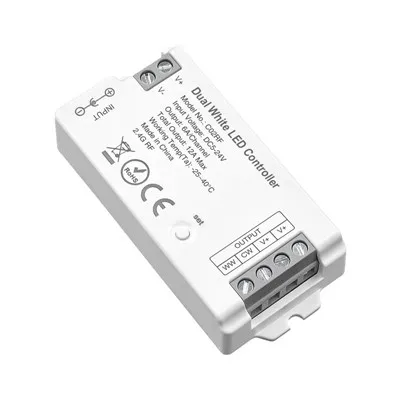
If you’re looking to upgrade your cabinets with low-maintenance sensor switches for your home, business, or commercial project, our team is ready to help you pick the right model, answer any questions, and guide you through the process. Reach out to our procurement team to discuss your specific needs and get a customized quote today.
Cabinet Sensor Switch References
- International Electrotechnical Commission. (2021). Standard for solid-state proximity sensors for low-voltage electrical applications. IEC 60947-5-2.
- U.S. Department of Energy. (2022). Commercial building maintenance guide: Low-energy control systems and solutions.
- National Fire Protection Association. (2023). Best practices for electrical component durability in residential and commercial kitchen environments.
Dongguan Lanbaoli Intelligent Technology Co., Ltd.
As one of the most professional cabinet sensor switch manufacturers and suppliers in China, we’re featured by quality products and low price. Welcome to buy advanced cabinet sensor switch for sale here from our factory. If you have any enquiry about quotation, please feel free to email us.
Address: 10th Floor, Building 32, Golden Town, No. 7 Technology Avenue, Houjie Town, Dongguan City, Guangdong Province
E-mail: anna@lampow.cn
WebSite: https://www.lblsensor.com/
