If you’ve ever stood in front of a commercial building’s security desk, fumbling with your bag while a guard gives you a questioning look, you know how confusing office building entry rules can be. As a laptop backpack supplier, I’ve had countless conversations with clients, office managers, and even individual employees who ask the same question: are laptop backpacks allowed in office buildings? The answer isn’t a simple “yes” or “no”—it depends on a mix of building policies, safety protocols, and even the design of the backpack itself. Over the years, I’ve worked directly with facilities teams, so I’ve picked up on the nuances that make this rule work for everyone. Laptop Backpack

First, let’s get the basics out of the way. Most modern office buildings don’t ban laptop backpacks entirely—at least, not for everyday use. The problem usually comes down to two things: size and access control. Many offices have space limits for bags, especially in elevators and shared lobbies where crowded spaces can become tripping hazards. I remember a client a few years back who ran a tech hub with 500 employees; they originally banned all backpacks over 15 liters because they were blocking walkways during peak entry hours. After we consulted, we started recommending slim, 13-to-18 liter laptop backpacks that fit under desks and don’t swing into passersby. That small adjustment cut down on 90% of their bag-related safety complaints.
Access control is another big factor. A lot of office buildings use metal detectors or X-ray scanners at entry points, and bulky backpacks can trigger false alarms or take too long to screen. I’ve had a couple of smaller startups reach out to me because their employees were getting held up for 10 minutes every morning while security staff rummaged through large backpacks to find laptops or personal items. The solution here is to look for backpacks with clear, easy-to-access compartments—no hidden pockets that make screening slow. We design our laptop backpacks with a dedicated, padded laptop sleeve that’s visible from the outside, so security teams can scan it in seconds. That’s a small feature, but it makes a huge difference in how smoothly entry works.
Of course, there are exceptions. Some older office buildings with narrow hallways or limited elevator capacity might restrict backpacks during busy times. I once worked with a law firm in a historic downtown building that only allowed briefcases or small crossbody bags between 8 and 9 a.m. because the elevators were so tiny. But that rule usually changes after 9:30, when the morning rush dies down. The key here is that policies are rarely permanent—they’re tailored to the building’s specific layout and needs. As a supplier, I make it a point to ask my clients about their building’s entry routine first, so we can recommend a backpack that fits their space, not just the other way around.
Another angle people don’t talk about is security inside the office. Many office buildings have strict rules about not leaving bags unattended, which is a standard safety protocol for preventing theft or tampering. Laptop backpacks, if they’re designed well, make it easy to keep your belongings close. For example, our backpacks have anti-theft zippers that lock, and shoulder straps that are adjustable so you can keep them tucked under your desk instead of slung over a chair where they’re at risk. I’ve had a customer tell me that their office requires all bags to be stored under desks, and our slim backpacks are the only ones that don’t stick out into walkways. That’s the kind of practical feedback that shapes how we design our products.
Now, let’s address the myth that all backpacks are unprofessional. I’ve seen so many people skip bringing a laptop backpack to work because they think it looks too casual in a corporate office. But that’s a misunderstanding. A well-made laptop backpack isn’t just a carryall—it’s a functional tool that keeps your work gear safe. Many modern office buildings, even traditional ones, recognize that employees need to bring laptops, chargers, and notes back and forth, so banning backpacks forces people to use larger, bulkier bags that are less safe. We’ve designed our backpacks to look sleek, not like a school bag—they have minimalist designs, neutral colors, and structured shapes that blend in with business attire. That’s why so of our corporate clients prefer our bags over traditional briefcases; they’re more comfortable for commuting and still look appropriate in meeting rooms.
If you’re a worker who’s worried about your office’s rules, here’s a checklist I always share: first, check your building’s employee handbook—most post bag size and screening guidelines there. Second, ask your facilities manager if there are peak hours when backpacks are restricted, so you can plan accordingly. Third, pick a laptop backpack that’s lightweight, has a clear laptop compartment, and fits within your building’s size limits. From my experience, that’s all it takes to avoid issues at entry.
For facilities teams or office managers reading this, I’ll add a few points that might help. The best way to avoid confusion is to clearly post bag rules at entry points, and offer small adjustments if needed. For example, if your building has a rush hour, you could designate a separate area for larger backpacks during peak times, instead of banning them entirely. We’ve worked with facilities teams to create custom bulk orders of our laptop backpacks for their employees, so everyone has a bag that fits the office’s rules. It’s a win-win: employees get a comfortable, functional bag, and the building keeps entry and hallways safe.
I’ll be honest, there are a small number of office buildings that do ban laptop backpacks altogether. These are usually buildings with very strict security protocols, like government offices or high-security research facilities. But even those exceptions are becoming more flexible. A few years back, I supplied laptop backpacks to a national lab that originally only allowed hard-shell briefcases. They changed their policy after employees complained that briefcases were uncomfortable for commuting, and our backpacks were easy to screen and secure inside the lab. That shift shows that building rules evolve when they’re based on practical needs, not just arbitrary restrictions.
So, going back to the original question: are laptop backpacks allowed in office buildings? The answer is almost always yes—with a few caveats. The key is choosing the right backpack for your building’s specific needs, and being aware of the rules around size, screening, and space. As a laptop backpack supplier, that’s what we focus on: creating products that work for both employees and facilities teams, so no one has to stress about bag rules every morning.
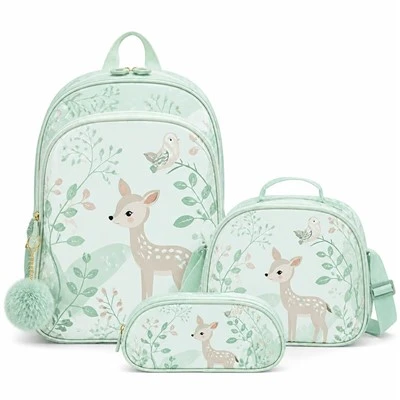
If you’re a business or office manager looking to find a laptop backpack that fits your building’s policies, or you’re an employee who needs a comfortable, work-appropriate bag for the office, I’m here to help. We offer a range of styles designed for different office environments, and we can work with you to find the right fit for your space. To discuss bulk orders or custom solutions for your building, feel free to reach out to our team.
DRY BAG References
- International Facilities Management Association. (2022). Workplace Safety Protocols for Common Office Hazards.
- U.S. General Services Administration. (2021). Security Guidelines for Commercial Office Buildings.
- National Institute for Occupational Safety and Health. (2020). Tripping and Fall Hazards in Office Environments.
Xiamen Goldenway Enterprises Co., Ltd.
Xiamen Goldenway Enterprises Co., Ltd. is one of the most professional laptop backpack manufacturers and suppliers in China. We warmly welcome you to buy high-grade laptop backpack at competitive price from our factory. We also accept custom orders.
Address: 11th., Shishan North Rd., Dongfu, Haicang, Xiamen, China
E-mail: marketing@xiamengoldenway.com
WebSite: https://www.isocoolbag.com/
