If you’re in the food industry, you’ve probably stared at a stack of packaging bags in your warehouse at 2 a.m., scratching your head over one tiny question: do my food packaging bags even need a production date? As a food packaging bag supplier, I field this exact question at least once a week from clients—from small-batch snack makers to large frozen food distributors. And let me tell you, the answer isn’t a straight “yes” or “no”—it’s a mix of food safety rules, supply chain logistics, and plain old common sense. Let’s break this down like we’re chatting over a coffee (or a late-night snack, no judgment). Food Packaging Bag
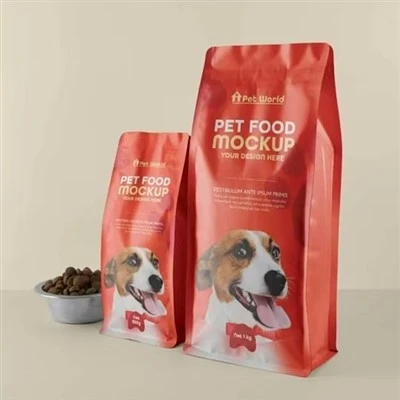
First, let’s start with the stuff that’s non-negotiable: government rules. I don’t make the laws, but I can tell you that regulatory bodies like the FDA (in the US) and EFSA (in the EU) don’t just make up requirements for fun. Their whole job is to keep people from eating food that’s gone bad, or packaging that’s leaching chemicals into their meals. For example, if you’re making perishable goods like fresh salads, cooked meats, or bakery items with a short shelf life, your packaging bags need a production date—and a lot more besides. Why? Because those products go from “safe to eat” to “risky” really fast. If a bag doesn’t have a production date, how does a grocery store know when to pull a container of pre-cut melon that’s been sitting on the shelf for 10 days? How does a consumer avoid grabbing a snack that’s past its prime? That’s not just a hassle—it’s a liability.
But wait, what about shelf-stable items? Think dry pasta, canned goods (wait, no, those are in metal, but let’s say granola or dry cereal), or frozen meals that have a 12+ month shelf life. Do their packaging bags still need a production date? Here’s where it gets murkier, and where I’ve seen a lot of suppliers (and even some food brands) drop the ball. A lot of people assume that because the food stays safe longer, the packaging does too. But that’s not always true. Plastic bags, especially the kind we make for food, can break down over time. UV light, temperature swings (like a warehouse that’s too hot in summer, too cold in winter), and even humidity can make the plastic become brittle, or leach additives like phthalates or BPA (though we stopped using those years ago, fyi). If a bag is 3 years old, even if it’s unopened on the shelf, there’s no way to tell if it’s still safe to use for food. If you’re a brand, that’s a huge risk—you don’t want to be the one whose granola tastes like plastic because your packaging bag degraded in storage.
I’ve had a client, a small craft popcorn brand, skip adding production dates for their bags for a while, thinking it was overkill. Then they had a batch get rejected by a big distributor because the distributor couldn’t confirm the bags were less than 6 months old (their policy was no packaging over 12 months old for shelf-stable items). They lost a $50k order just like that. That’s the kind of mistake that makes you go, “oh right, the small details matter.”
Next, let’s talk about supply chain stuff. For any brand, especially one that does multiple product lines, tracking inventory is everything. If you don’t have a production date on your packaging, how do you do first-in, first-out (FIFO) inventory? Let’s say you have two shipments of bags: one from January, one from March. If a bag from January sits in a back warehouse for 8 months before being used, when it’s time to pack a new batch of cookies, you might accidentally use the older bag. Now, if that bag is still safe, no big deal—but what if it’s not? Or even if it is, you’re wasting money on expired packaging, which is a hit to your bottom line. As a supplier, we’ve seen brands throw away thousands of dollars’ worth of unused packaging because they couldn’t tell how old it was. A little production date solves that problem instantly.
But here’s the thing: it’s not just about the date being there. It’s about how clear and useful that date is. A lot of brands put a tiny, hidden date on the bottom of the bag that no one can see, or they use a code that only their internal team understands. That doesn’t count. For consumers, the date needs to be easy to read—right on the front of the bag, not tucked away in a seam. For distributors, it needs to integrate with their inventory systems. We work with a lot of brands now who print production dates directly on our packaging, right alongside the best-by date of the food inside, so it’s all in one place. That’s the sweet spot.
Now, let’s address the counterarguments, because I know some of you are thinking, “that’s just extra cost, right?” Yeah, printing a date adds a tiny bit to the packaging cost—like a few cents per thousand bags, max. But when you weigh that against the cost of a rejected order, a product recall, or lost customer trust, it’s nothing. I’ve had clients come to me after a recall scare because their undated bags led to confusion about batch timelines, and they told me they’d gladly pay double for the small add-on. Trust me, that tiny cost is way less than the alternative.
Another counter: “our packaging is super durable, it won’t break down.” Maybe. But no plastic is 100% impervious to time. We’ve tested our own bags—even our thickest, BPA-free, UV-stabilized ones—after 2 years of storage, and some show minor brittleness. Is that a problem for a granola bar? Probably not. Is it a problem for a vacuum-sealed fresh meat? Absolutely. So even if you think your packaging is tough, a production date gives you and your customers peace of mind.
I also want to talk about consumer expectations now. A lot of shoppers, especially younger ones, look for transparency in brands. They want to know where their food comes from, when it was made, and if the packaging is safe. If your bag has a clear production date, that’s a tiny win for transparency. It tells customers you’re not hiding anything. I’ve seen brands use that as a marketing point, too—like “Made Fresh This Month!” printed on the bag, which drives sales. It’s not just a regulatory box to check; it’s a way to connect with your audience.
Wait, but let’s not pretend there’s no exception. If you’re a tiny maker, like a home baker selling out of a farmers market, and you’re only making 50 cookies a week, do you need a production date on your plastic bags? Legally, maybe not in some places, but it’s still a good idea. Even for small batches, it helps you track how long your bags have been in storage, so you don’t end up with 100 unused bags that are too old to sell. And for your customers, it’s a quick sign that your product is fresh.
Let me also mention what happens when you skip production dates and something goes wrong. I worked with a brand last year that had a batch of their frozen fish sticks that developed a weird off-flavor. They couldn’t figure out why until they realized the packaging bags they’d used were 18 months old—way past their shelf life. When they contacted us, we checked our records, confirmed the production date of the bags, and helped them avoid a repeat mistake. But if they’d had that date on the bag, they would’ve noticed the age before even using the packaging. That’s the kind of crisis you don’t want to go through.
So, putting it all together: yes, food packaging bags almost always need a production date. The only time you might skip it is if you’re making super small-batch, ultra-perishable products for a local market, and you can prove the packaging will be used within a short window. But for 99% of food brands, from small craft shops to big distributors, that date isn’t a fancy extra—it’s a safety measure, a logistics tool, and a way to build trust with customers.

If you’re shopping for food packaging bags, and you’re still not sure if a production date makes sense for your products, or you want to see our bags that are designed to work with clear, easy-to-print dates, we’re here to chat. We don’t do one-size-fits-all, so we can walk through your specific needs, whether you’re making fresh salads, dry snacks, or frozen meals. Just reach out, and we’ll help you figure out what works best for your brand.
Flat Bottom Pouch References: U.S. Food and Drug Administration (FDA) Food Packaging Safety Guidelines, European Food Safety Authority (EFSA) Food Contact Materials Regulation, 2023 Global Food Packaging Association Report on Packaging Shelf Life Degradation.
Tongcheng Wanfang Paper & Plastic Packaging Co., Ltd.
As one of the most professional food packaging bag manufacturers and suppliers in China, we also support customized service. With abundant experience, we warmly welcome you to buy high quality food packaging bag made in China here and get pricelist from our factory. For price consultation, contact us.
Address: No.17, Area B, East China Plastics City, Xindu Town, Tongcheng City, Anhui Province, China
E-mail: wanfangpack@163.com
WebSite: https://www.wf-pack.com/
