Wireless charging technology has witnessed remarkable growth in recent years, revolutionizing the way we power our electronic devices. From smartphones and smartwatches to electric vehicles, the demand for efficient and convenient wireless charging solutions continues to soar. As a leading supplier of middle voltage MOSFETs, I am often asked whether our products can be used in wireless charging systems. In this blog post, I will delve into the technical aspects of middle voltage MOSFETs and explore their suitability for wireless charging applications. Middle Voltage MOSFETs
Understanding Middle Voltage MOSFETs
Before we explore the potential applications of middle voltage MOSFETs in wireless charging systems, let’s first understand what they are and how they work. MOSFET, which stands for Metal-Oxide-Semiconductor Field-Effect Transistor, is a type of transistor commonly used in electronic circuits. It operates by controlling the flow of current between the source and drain terminals using an electric field applied to the gate terminal.
Middle voltage MOSFETs typically have a voltage rating between 100V and 600V, making them suitable for a wide range of applications that require moderate voltage handling capabilities. They offer several advantages over other types of transistors, including low on-resistance, high switching speed, and excellent thermal performance. These characteristics make middle voltage MOSFETs ideal for use in power management circuits, motor control applications, and, as we will discuss, wireless charging systems.
The Basics of Wireless Charging
Wireless charging, also known as inductive charging, is a technology that allows electronic devices to charge without the need for physical connectors. It works based on the principle of electromagnetic induction, where an electric current is induced in a secondary coil (the receiver) when it is placed in close proximity to a primary coil (the transmitter) that is carrying an alternating current.
There are two main types of wireless charging systems: resonant and non-resonant. Non-resonant systems rely on the direct coupling between the primary and secondary coils, which requires precise alignment between the two coils for efficient charging. Resonant systems, on the other hand, use resonant circuits to enhance the coupling between the coils, allowing for greater misalignment tolerance and higher charging efficiency.
Why Middle Voltage MOSFETs are Suitable for Wireless Charging
Now that we have a basic understanding of middle voltage MOSFETs and wireless charging technology, let’s explore why middle voltage MOSFETs are well-suited for use in wireless charging systems.
1. High Switching Speed
One of the key requirements for wireless charging systems is the ability to switch the current in the primary coil at high frequencies. Middle voltage MOSFETs offer high switching speeds, which allows them to efficiently handle the high-frequency currents required for wireless charging. This high switching speed helps to minimize power losses and improve the overall efficiency of the charging system.
2. Low On-Resistance
Another important factor in wireless charging systems is the on-resistance of the switching devices. The on-resistance of a MOSFET determines the amount of power dissipated as heat when the device is conducting current. Middle voltage MOSFETs typically have low on-resistance values, which means they generate less heat during operation. This helps to improve the thermal efficiency of the charging system and reduces the need for additional heat dissipation components.
3. Voltage Handling Capability
Wireless charging systems typically operate at moderate voltages, which makes middle voltage MOSFETs an ideal choice for these applications. The voltage rating of middle voltage MOSFETs allows them to handle the voltages present in wireless charging circuits without the risk of breakdown or damage. This ensures the reliability and safety of the charging system.
4. Thermal Performance
Efficient heat dissipation is crucial in wireless charging systems to prevent overheating and ensure the long-term reliability of the components. Middle voltage MOSFETs are designed with excellent thermal performance characteristics, such as low thermal resistance and high power dissipation capabilities. This allows them to effectively dissipate the heat generated during operation and maintain a stable operating temperature.
Applications of Middle Voltage MOSFETs in Wireless Charging Systems
Middle voltage MOSFETs can be used in various parts of a wireless charging system, including the primary coil driver circuit, the resonant tank circuit, and the power management circuit.
1. Primary Coil Driver Circuit
The primary coil driver circuit is responsible for generating the alternating current that flows through the primary coil. Middle voltage MOSFETs can be used as the switching devices in this circuit to control the flow of current and generate the high-frequency signals required for wireless charging. Their high switching speed and low on-resistance make them well-suited for this application, allowing for efficient and reliable operation of the primary coil.
2. Resonant Tank Circuit
The resonant tank circuit is an important part of a resonant wireless charging system. It consists of a capacitor and an inductor and is used to create a resonant frequency that matches the operating frequency of the charging system. Middle voltage MOSFETs can be used in the resonant tank circuit to control the flow of current and adjust the resonant frequency as needed. Their ability to handle high voltages and high frequencies makes them ideal for this application.
3. Power Management Circuit
The power management circuit is responsible for regulating the input voltage and current to the wireless charging system and ensuring that the charging process is safe and efficient. Middle voltage MOSFETs can be used in the power management circuit to control the switching of power sources and to protect the system from overvoltage, overcurrent, and short-circuit conditions. Their high voltage handling capability and excellent thermal performance make them a reliable choice for this critical application.
Challenges and Considerations
While middle voltage MOSFETs offer many advantages for wireless charging applications, there are also some challenges and considerations that need to be taken into account.
1. EMI/RFI Interference
The high-frequency switching operation of middle voltage MOSFETs can generate electromagnetic interference (EMI) and radio frequency interference (RFI), which can affect the performance of other electronic devices in the vicinity. To mitigate this issue, proper shielding and filtering techniques need to be employed in the design of the wireless charging system.
2. Electrical Stress
Wireless charging systems can be subject to various electrical stresses, such as voltage spikes and current surges. Middle voltage MOSFETs need to be able to withstand these stresses without failure. Therefore, it is important to select MOSFETs with appropriate voltage and current ratings and to use proper protection circuits to ensure the reliability of the charging system.
3. Thermal Management
As mentioned earlier, efficient thermal management is crucial in wireless charging systems. Middle voltage MOSFETs can generate a significant amount of heat during operation, especially at high power levels. Therefore, proper heat sinking and cooling techniques need to be implemented to ensure that the MOSFETs operate within their specified temperature range.
Conclusion
In conclusion, middle voltage MOSFETs are a viable option for use in wireless charging systems. Their high switching speed, low on-resistance, voltage handling capability, and excellent thermal performance make them well-suited for the high-frequency, high-power requirements of wireless charging applications. However, proper design considerations and engineering solutions are needed to address the challenges associated with EMI/RFI interference, electrical stress, and thermal management.
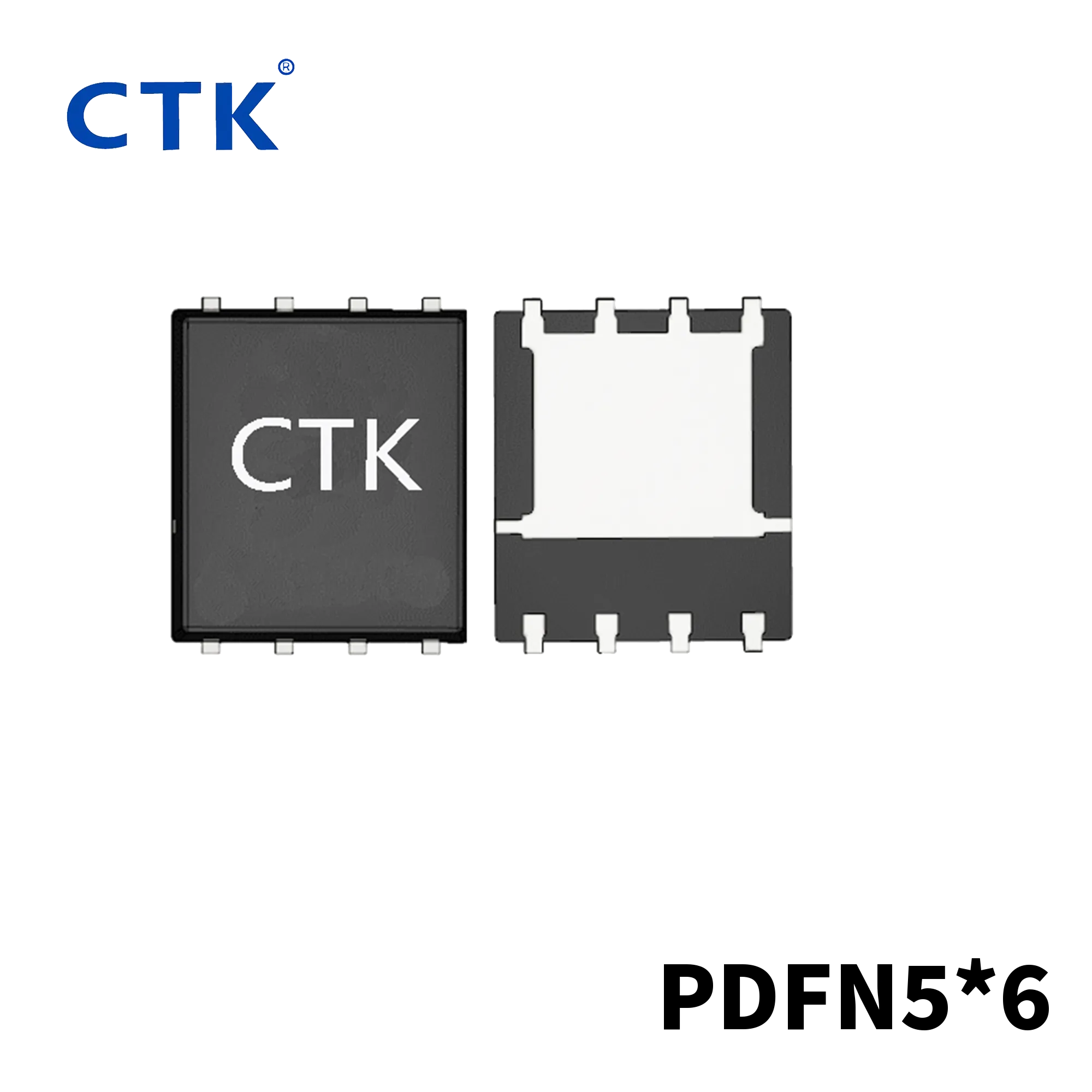
As a leading supplier of middle voltage MOSFETs, we have the expertise and experience to provide high-quality products that meet the specific needs of wireless charging applications. Our MOSFETs are designed to offer excellent performance, reliability, and efficiency, making them the ideal choice for wireless charging system designers.
Fast Recovery Diode If you are interested in learning more about our middle voltage MOSFETs or exploring their potential applications in your wireless charging systems, please feel free to contact us for further discussion and procurement洽谈. We look forward to working with you to develop innovative and efficient wireless charging solutions.
References
- Lee, J.-Y., & Kim, G.-H. (2018). Analysis and Design of a Wide Output Range Wireless Charger for Electric Vehicles. Energies, 11(11), 2996.
- Covic, G. A., & Boys, J. T. (2013). Inductive power transfer. Proceedings of the IEEE, 101(6), 1276-1289.
- Mohan, N., Undeland, T. M., & Robbins, W. P. (2012). Power Electronics: Converters, Applications, and Design. John Wiley & Sons.
Tongke Electronic Co., Ltd
Tongke Electronic Co., Ltd. is one of the most experienced mid & high-mosfets manufacturers and suppliers in China, featured by quality products and low price. Please rest assured to wholesale advanced mid & high-mosfets made in China here from our factory. Contact us for pricelist.
Address: No.3,Chayuan Rd, Street 3, AilingKan, Dalingshan, Dongguan, Guangdong, China.
E-mail: jack@ctk-elec.com
WebSite: https://www.ctkchip.com/
