As a reliable supplier of paper for the cable industry, I’ve witnessed firsthand how the dielectric constant of paper makes a crucial difference in cable design. In this in – depth exploration, I’ll share insights on how this property shapes cable engineering, from fundamental concepts to practical impacts on cable performance and design choices. Paper for The Cable Industry
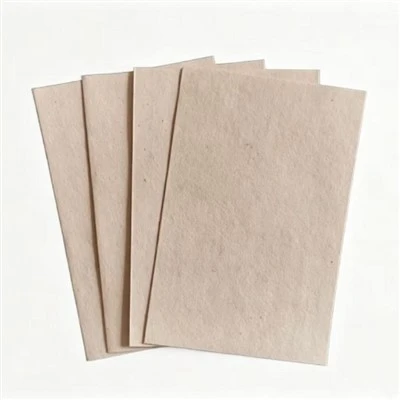
Understanding the Dielectric Constant
Before delving into its effects on cable design, it’s key to understand what the dielectric constant is. In essence, the dielectric constant (also known as relative permittivity) of a material is a measure of how it stores electrical energy in an electric field compared to a vacuum. For paper used in the cable industry, this constant quantifies the paper’s ability to polarize (separate positive and negative charges internally) when an electric field is applied.
Paper typically has a dielectric constant that falls within a specific range. Unlike materials like metals which conduct electricity readily, paper is an insulator. Its dielectric constant reflects how well it can insulate and support the flow of an electric field through the cable without losing excessive energy. A higher dielectric constant means that the paper can store more electrical energy per unit volume in an electric field, but it also implies a greater tendency to interact with the electric field, which can have both positive and negative consequences in cable design.
Impact on Cable Insulation
The most obvious way the paper’s dielectric constant affects cable design is in cable insulation. Insulation is vital in cables to prevent electrical leakage and ensure the efficient transmission of electrical signals.
When the dielectric constant of the paper is too high, it can lead to higher capacitance in the cable. Capacitance is the ability of a system to store an electric charge. In a cable, excessive capacitance can cause a slow – down in signal transmission. Signals travel through a cable as electric impulses, and a high – capacitance cable will require more energy to charge and discharge the dielectric (paper) material with each signal pulse. This can result in signal attenuation, where the strength of the signal decreases over distance.
On the other hand, if the dielectric constant is too low, the paper may not provide sufficient insulation. Electrical signals could leak through the insulation, leading to losses in power transmission and interference between different conductors within the cable. Designers must find a balance by selecting paper with an appropriate dielectric constant to optimize the insulation performance. For example, in high – frequency communication cables, a paper with a relatively low but stable dielectric constant is often preferred to minimize signal losses and ensure high – speed data transfer.
Influencing Cable Geometry
The dielectric constant of the paper also plays a role in determining the physical geometry of the cable. The capacitance of a cable is related to its physical dimensions and the dielectric constant of the insulating material. Designers can adjust the cable’s inner and outer conductor diameters, as well as the thickness of the paper insulation, based on the dielectric constant.
A cable with a high – dielectric – constant paper may require a different geometry compared to one with a low – dielectric – constant paper to achieve the same electrical performance. For instance, if we want to maintain a specific capacitance value in a cable, using a paper with a higher dielectric constant might allow for a reduction in the thickness of the insulation layer. This can lead to a more compact cable design, which is often desirable in applications where space is limited, such as in consumer electronics or aerospace wiring.
Conversely, when using a paper with a lower dielectric constant, a thicker insulation layer may be needed to achieve the desired capacitance and insulation properties. This can result in a larger – diameter cable but can also offer better electrical stability in some low – frequency applications.
Thermal Considerations
The dielectric constant of paper can also impact the cable’s thermal performance. When an electric field is applied to the paper, the polarization process generates heat. A paper with a high dielectric constant will generally generate more heat due to its greater interaction with the electric field.
In cable design, excessive heat can be a major problem. It can cause the paper insulation to degrade over time, reducing its effectiveness as an insulating material. High temperatures can also lead to expansion and contraction of the cable components, which may cause mechanical stress and eventually lead to cable failure.
To address these thermal issues, cable designers need to take the dielectric constant of the paper into account. They may need to incorporate additional cooling mechanisms or choose a paper with a lower dielectric constant if the cable is expected to operate in high – power or high – temperature environments. For example, in power cables used in industrial settings, where large amounts of electrical energy are transmitted, careful selection of paper based on its dielectric constant and thermal properties is essential to ensure long – term reliability.
Compatibility with Other Cable Materials
Cables are complex structures that consist of multiple materials, including conductors, insulation, and sheathing. The dielectric constant of the paper must be considered in the context of its compatibility with these other materials.
For example, the interaction between the paper and the conductor material can be influenced by the dielectric constant. A high – dielectric – constant paper may create a stronger electric field near the conductor surface, which could potentially lead to corrosion or other forms of degradation of the conductor over time. Designers need to ensure that the paper and the conductor are chemically and electrically compatible to prevent such issues.
Similarly, the paper’s dielectric constant can affect its compatibility with the cable sheathing material. If the dielectric properties of the paper and the sheathing are significantly different, it can lead to electrical stress concentrations at the interface between the two materials. This can cause premature failure of the cable due to breakdown of the insulation at the interface. Therefore, when selecting paper for cable design, it’s important to consider how its dielectric constant will interact with all the other components of the cable system.
Cost – Benefit Analysis
In the cable industry, cost is always a major consideration. The dielectric constant of the paper can have a direct impact on the cost of cable production.
Paper with a specific dielectric constant may be more expensive to produce or source. For example, papers with very low and stable dielectric constants, which are often required for high – performance cables, may involve more sophisticated manufacturing processes or the use of special raw materials. This can drive up the cost of the paper and, ultimately, the cost of the cable.
However, using a higher – cost paper with the right dielectric constant can also result in significant long – term savings. A cable with better insulation and performance due to an appropriate paper choice may have a longer service life, require less maintenance, and offer better energy efficiency. Therefore, cable manufacturers need to conduct a careful cost – benefit analysis when selecting paper based on its dielectric constant. They need to balance the initial cost of the paper with the long – term benefits in terms of cable performance and reliability.
Contact Us for Your Cable Paper Needs
At our company, we understand the critical role that the dielectric constant of paper plays in cable design. We offer a wide range of paper products for the cable industry, each carefully engineered to meet specific dielectric constant requirements. Our team of experts is always ready to assist you in selecting the right paper for your cable design, taking into account factors such as insulation performance, cable geometry, thermal considerations, and cost.
Cotton Pulp Paper Whether you’re working on high – frequency communication cables, power cables for industrial applications, or any other type of cable, we have the right paper solutions for you. Contact us to start a procurement discussion and take your cable design to the next level.
References
- Grover, F. W. (1946). Inductance Calculations: Working Formulas and Tables. Dover Publications.
- Paul, C. R. (2006). Fundamentals of Electric Circuit Analysis. McGraw – Hill.
- White, H. J. (1996). The Theory and Practice of Frequency Measurements. John Wiley & Sons.
Shanghai Rongying Industrial Co., Ltd.
As one of the most professional paper for the cable industry manufacturers and suppliers in China, we’re featured by quality products and good price. Please rest assured to wholesale customized paper for the cable industry from our factory. If you have any enquiry about quotation and free sample, please feel free to email us.
Address: Jiahua Business Center C building 204 room, No.808 Hongqiao Road,Xuhui District,Shanghai,China
E-mail: info@shryspecialtypaper.com
WebSite: https://www.woolpaper.com/
