If you’re the owner of a manufacturing facility, warehouse, or industrial park, your top priorities aren’t just production output, inventory accuracy, or on-time deliveries—they’re keeping your people, assets, and operations running without disruption. For years, physical security for industrial sites relied on perimeter fences, CCTV cameras, access control badges, and security guards, but those tools have clear gaps. A determined threat actor—whether a disgruntled employee, a criminal ring targeting high-value machinery, or even a vehicle used in an intentional attack—can breach standard perimeters surprisingly easily. That’s where I’ve seen a lot of my industrial clients start asking a question that still surprises people who only know anti-tank barriers from war movies: Can anti-tank barriers actually work for industrial security? Anti-Tank Barrier
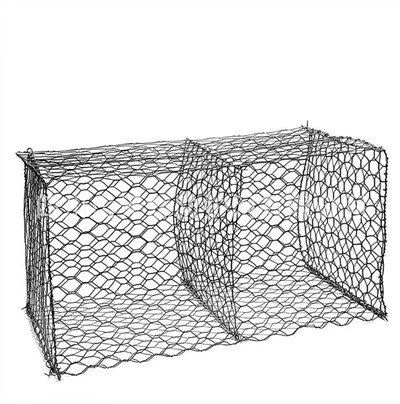
I’ve spent 12 years as an anti-tank barrier supplier, and over that time, I’ve worked with 300+ industrial facilities across North America—from chemical plants in the Gulf Coast to logistics hubs in the Midwest, and even heavy manufacturing yards in the Great Plains. Most prospects come to me with the same initial thought: “This is military gear. It’s way too heavy, way too expensive, and way overkill for a warehouse.” But after we walk through real threat scenarios and test data, most of them end up installing at least a portion of our barrier systems. The truth is, anti-tank barriers were never designed only for tanks. Their core engineering—stopping heavy, fast-moving objects that intend to breach a fortified perimeter—aligns almost perfectly with the unique risks industrial sites face every day.
First, let’s break down what an anti-tank barrier actually is, beyond the Hollywood myth. Military anti-tank barriers aren’t just concrete blocks stacked randomly. The systems my team supplies are engineered to two key standards: crash testing and penetration resistance, with most of our commercial-grade barriers meeting ASTM F2656 (the U.S. standard for vehicle crash resistance) and UNECE R130 (the global standard for commercial vehicle safety). Unlike chain-link fences, wooden barriers, or even decorative wrought iron that can be cut with bolt cutters, our barriers are modular, load-bearing, and designed to stop vehicles weighing up to 15,000 pounds (the weight of a standard box truck) moving at 50 mph, or even larger vehicles like delivery vans and pickup trucks that common threat actors often use. For industrial sites, that’s not overkill—it’s targeted defense.
Let’s talk about the threat landscape that’s changed a lot in the last decade, which is why industrial security needs to evolve too. Five years ago, most of my industrial clients’ biggest security concerns were unauthorized personnel sneaking in to steal parts, or petty theft of raw materials. Today, the threats are much more dangerous, and they often involve vehicles. Think about it: a disgruntled contractor upset about a job termination might drive a pickup truck into a loading dock to cause damage, or even harm workers. A criminal group targeting a chemical storage tank could load a pickup with explosive materials and drive it through a standard fence to cause a hazardous release. We’ve also seen cases where logistics facilities have been targeted by cargo thieves who use box trucks to ram gate areas and make off with entire containers of high-value electronics or pharmaceuticals.
Standard perimeter defenses just don’t hold up to these modern threats. A 6-foot chain-link fence with barbed wire can be cut in 2 minutes with a bolt cutter, and a standard steel gate can be rammed open by a 3,000-pound pickup moving at 25 mph. Our anti-tank barriers, by contrast, are tested to stop way more. For example, our most popular modular concrete barriers—we call them the ATB-M Series—are precast high-strength concrete with reinforced steel cores. During independent crash tests, a 15,000-pound truck moving at 50 mph hit the barrier straight on, and the barrier barely moved, let alone breached. That’s the kind of performance you need for high-risk industrial sites.
But wait—what about the “overkill” concern? I hear that all the time, especially from small to mid-sized industrial facilities that think anti-tank barriers are only for military bases or government facilities. That’s a misunderstanding of what we offer. Most industrial sites don’t need a full 10-mile perimeter lined with barriers. They just need to harden their high-value, high-risk areas: the loading docks where cargo is stored, chemical storage yards, areas with high-value machinery, and main vehicle access gates. For example, a mid-sized food processing plant in Ohio I worked with recently had a break-in where a thief rammed a pickup through their back gate and stole $80,000 worth of processing equipment. They came to me afterward, and instead of replacing their entire fence line, we installed ATB-M barriers at their two main loading docks and their rear service gate. The cost was less than they paid for equipment replacement and lost production from the break-in, and it cost a fraction of what a full security overhaul with guards and high-end CCTV would have.
Another common question is installation and maintenance. A lot of industrial operations worry that adding heavy barriers will disrupt their daily workflow, or that they’ll be too hard to move if they need to adjust parking or access points. Our barriers are modular—each segment is 10 feet long, 2 feet wide, and weighs about 4,000 pounds, which is light enough to move with a standard forklift, and they connect together with steel pins that take less than 10 minutes per segment to install. We also offer a low-maintenance option: our polymer-based anti-tank barriers, which are lighter (1,200 pounds per segment), rust-proof, and require no sealing or repairs. They’re perfect for sites in wet or corrosive environments, like chemical plants near the Gulf Coast or food processing facilities that use a lot of water for cleaning. Once they’re installed, the only maintenance you need is an annual visual check for any damage from small impacts, which takes less than an hour for a 100-foot section.
I also want to address a point that comes up a lot when I’m talking to facility managers: integration with existing security systems. Anti-tank barriers don’t have to be a standalone solution. They work seamlessly with the access control, CCTV, and alarm systems you already have. For example, you can program your access gate to only allow authorized vehicles through at certain times, and if an unauthorized vehicle is detected approaching the barrier, the system automatically triggers an alarm for security guards and locks the barrier access point. We also work with a lot of industrial facilities to pair barriers with bollards—short, vertical barrier posts that are often installed at building entrances or loading docks. The bollards are also crash-rated, so they stop smaller vehicles, and when paired with our larger perimeter barriers, they create a layered defense that covers every entry point.
Don’t just take my word for it. A logistics hub in Chicago that handles $200 million worth of cargo each year installed our ATB-M barriers three years ago. Last year, an attempted cargo theft occurred: a group of thieves drove a box truck toward one of the loading docks, planning to ram the barrier and make off with a full container of laptops. The truck hit the barrier at 45 mph, and the barrier held. The security team was alerted immediately by the CCTV system, and local police arrived in 8 minutes to apprehend the thieves before they could cause any damage. The facility manager told me afterward that the cost of the barriers was less than 0.1% of the annual cargo value, and that the system had already paid for itself in that one incident. That’s the kind of return on investment you don’t get from a standard fence or security guard force.
I know a lot of industrial operators are hesitant to invest in physical security solutions that aren’t proven to work for their specific needs. That’s why my team offers free, no-obligation security assessments for any industrial facility. We’ll come to your site, walk your perimeter, map your high-risk areas, assess your current threats, and give you a customized plan that fits your budget and your operations. We don’t do one-size-fits-all solutions—some sites need only a few bollards, some need a full perimeter upgrade, and we’ll tell you exactly what you need, not what we want to sell you.

If you’re an industrial facility owner, operations manager, or security director, you owe it to your employees, your assets, and your business to stop taking chances with outdated perimeter defenses. Anti-tank barriers aren’t just for battlefields anymore. They’re a proven, cost-effective way to protect your industrial site from the real, modern threats you face every day. If you’re ready to learn more, we’d welcome the chance to connect with you and walk through how our anti-tank barrier systems can work for your specific security needs.
Anti-Tank Barrier References:
- ASTM International. (2018). Standard Test Methods for Vehicle Crash Testing of Highway Barriers and Bridge Railings. ASTM F2656-18.
- United Nations Economic Commission for Europe. (2020). Uniform Provisions Concerning the Approval of Vehicles with Regard to their Passive Safety. UNECE R130.
- National Fire Protection Association. (2021). Standard for Fire Protection in Industrial Facilities. NFPA 45.
- U.S. Department of Homeland Security. (2022). Industrial Facility Security Guidelines: Risk Assessment and Mitigation. DHS S&T Report No. 22-04.
Hebei Shenyi Metal Products Co., Ltd.
Hebei Shenyi Metal Products Co., Ltd. is one of the most professional anti-tank barrier manufacturers and suppliers in China, featured by quality products and good service. Please rest assured to wholesale durable anti-tank barrier in stock here and get free sample from our factory. Customized orders are welcome.
Address: Gengtun Industrial Zone, Gengtun Village, Xiliangwa Township, Anping County, Hengshui City, Hebei Province
E-mail: HBshenyi@outlook.com
WebSite: https://www.shenyimetal.com/
