Hey everyone! It’s [your business name here]—we’re that industrial chemicals supplier that’s been quietly supporting the food industry for years, and let’s be real, most of you probably don’t stop to think about how much industrial chemicals actually make your favorite snacks, meals, and even drinks work. I get it, the word “industrial chemicals” can sound scary at first—like, whoa, is that stuff in my cereal? Nope, not the sketchy kind. We’re talking about the safe, regulated ones that keep food from going bad, make it taste better, and even help get it from the farm to your grocery shelf without a hitch. Today, I’m breaking down the actual, legitimate uses of our industrial chemicals in food—no jargon, just the straight-up stuff. Industrial Chemicals

First off, let’s get one thing clear: every single industrial chemical we supply for the food industry is tested, approved, and overseen by regulatory bodies like the FDA in the U.S., EFSA in Europe, and FAO/WHO globally. We don’t cut corners here. So when a food manufacturer reaches out to us for a solution, they’re not grabbing random chemicals—they’re getting products that meet strict safety standards. Let’s start with one of the biggest, most underrated uses: preserving food. I know, I know—nobody wants to eat food that’s full of “chemical preservatives,” but think about it: without these, strawberries would go moldy in two days, bread would get stale before it even leaves the bakery, and canned veggies would be a breeding ground for bacteria like botulism.
Here’s where our work comes in. We supply things like food-grade sodium benzoate and potassium sorbate—these are the workhorses of preservation, right? Sodium benzoate is super effective against mold and yeast, so it’s in soda, salad dressings, and fruit juices. Potassium sorbate does similar stuff but works great in baked goods, cheese, and even wine. Wait, wine—yeah, a lot of people don’t realize that wine makers use industrial chemicals too, and not just the fermenting stuff. We also supply sulfur dioxide, which helps keep wine from browning and stops unwanted bacteria from growing during the winemaking process. It’s all regulated, so it doesn’t change the taste in a bad way (if anything, it makes wine taste consistent batch after batch). And don’t even get me started on how these preservatives cut down on food waste. Imagine if every grocery store had to toss half their produce because it went bad too fast—would that be cheap? No way. Our chemicals help keep prices low too, which is a win for everyone.
Next up, texture and consistency. Have you ever eaten a yogurt that’s smooth, not lumpy? Or a chocolate bar that doesn’t melt all over your hands before you get home? That’s industrial chemicals doing their thing. We supply things like lecithin (but wait, this isn’t just any lecithin—food-grade, derived from soy or sunflower) which acts as an emulsifier. Emulsifiers are what mix oil and water, because let’s be real—oil and water don’t play nice on their own. So when you’re making a creamy salad dressing, mayonnaise, or even ice cream, emulsifiers keep the ingredients from separating. I remember a client a few years back who made artisanal ice cream and was struggling with it getting icy every time it shipped to grocery stores. We suggested a food-grade guar gum, which is a thickener that stabilizes the ice crystals. After switching, their ice cream stayed smooth for weeks—no more complaints about grainy texture. That’s the kind of impact our chemicals have day to day.
Thickeners and stabilizers go hand in hand with that. We also supply xanthan gum, carrageenan, and methylcellulose—all used in everything from gluten-free baked goods to plant-based meats. Oh, plant-based meats are a huge trend right now, and you can’t make a burger that bleeds (wait, no, the beet juice thing is color, but the texture) without stabilizers. Plant-based patties need to hold their shape on the grill, right? Methylcellulose is perfect for that because it sets when heated, just like animal protein. We’ve had multiple plant-based meat brands reach out to us for custom blends of stabilizers to get that exact “meaty” texture—no one-size-fits-all here, which is why we love working closely with our clients to figure out what they need.
Then there’s pH adjustment. You might not know what pH is, but it’s the measure of how acidic or basic something is, and it’s critical for food safety and taste. For example, when making jam, you need a certain pH to make sure the pectin sets properly. We supply citric acid (but again, food-grade, not the kind you use for cleaning) which is used to adjust pH. It’s also in soda, candy, and even some frozen foods to give that tangy kick. Another pH adjuster we supply is sodium hydroxide, which is used in making pretzels—you know that dark, crispy crust? That comes from a quick dip in a sodium hydroxide solution before baking. It’s totally safe in the small amount that ends up in the final product, and it’s a key part of getting that classic pretzel taste and look. We even had a craft pretzel maker in Chicago reach out to us a couple years back saying they couldn’t get their crust right—once they switched to our food-grade sodium hydroxide, their pretzels were selling out of every shop within hours. That’s the kind of small, everyday win our clients get.
Wait, let’s not forget about processing aids. These are industrial chemicals that aren’t in the final product—they’re used during manufacturing and then removed, so they don’t end up on your plate. Things like food-grade enzymes, which help break down starches into sugars for making bread or beer, or for tenderizing meat. We supply amylase, which is used in baking to help dough rise faster and give bread a softer crumb. Another processing aid is activated carbon, which is used to purify sugar—when sugar is made from sugarcane or sugar beets, it’s brown at first, and activated carbon removes the color and impurities to make that white sugar you use at home. It’s not in the final sugar, so you don’t have to worry about it being there, but without it, sugar would be that dull brown color we don’t want on our counter tops. Processing aids are super important because they make manufacturing more efficient, which keeps costs down and food more accessible for everyone.
Oh, and let’s talk about color—wait, not artificial colors, but things that prevent browning. Like when you slice an apple and it turns brown after a few minutes? That’s oxidation, and we supply ascorbic acid (which is vitamin C, but industrial-grade for food use) to prevent that. You see it in pre-cut fruit at the grocery store—those apple slices that stay white? That’s ascorbic acid doing its job. It’s natural, safe, and does exactly what it needs to. We also supply titanium dioxide, which is used to whiten things like frosting, candy, and even toothpaste (but wait, we’re focusing on food here)—it’s regulated in small amounts, and it’s what makes white frosting that bright, clean color. No, it’s not some scary chemical—it’s just a mineral that’s been used in food for decades.
Now, I want to address the elephant in the room: why not just use natural stuff? Yeah, natural is great, but sometimes it’s not as consistent or effective. For example, natural preservatives might work for small batches of artisanal food, but they’re not reliable for mass-produced snacks that need to sit on shelves for 6 months. Our industrial chemicals are formulated to be consistent, so every batch of cereal, every bottle of soda, every can of beans is exactly the same as the last. That’s a big deal for brand consistency—no one wants to buy a bag of chips that tastes different every time because the preservatives changed. We also work with clients to make sure their products fit consumer demands, like low-sugar or low-sodium options. For example, when a client wants to make a low-sugar soda, we supply artificial sweeteners (like aspartame or sucralose, but food-grade) that taste just like sugar without the calories, and they’re stable so they don’t break down over time. Wait, but let’s be clear—all these sweeteners are approved by regulators, so they’re safe for human consumption in the amounts you’d normally eat.
Working in industrial chemicals for food is different from other industries, like cleaning or manufacturing. We have a whole team dedicated to food safety, and we follow every single regulation to the letter. That means when a client comes to us, we don’t just send them a chemical and say “good luck”—we provide documentation, safety data sheets, and even help them test how the chemical works in their specific product. For example, a few months back, a plant-based cheese maker reached out to us saying their product was too crumbly and didn’t melt. We sent them our custom blend of stabilizers and emulsifiers, worked with their team to adjust the ratio, and within a month, their plant-based cheese was melting just like regular cheddar—something they’d been struggling with for years. That’s the kind of partnership we pride ourselves on, not just selling chemicals, but solving real problems for food manufacturers.
I think a lot of people overlook how connected the food industry is to industrial chemicals. From the moment a crop is harvested (wait, even on the farm—agricultural chemicals are a whole other thing, but we’re talking post-harvest) to when you take a bite of your dinner, these chemicals are there, quietly making sure food is safe, affordable, and tastes good. It’s not about hiding anything—it’s about being part of the process that feeds people. We don’t take that responsibility lightly. Every batch of chemical we ship is tested, every client we work with goes through a vetting process to make sure they’re following safety rules, and we’re always updating our products to be more sustainable. Wait, sustainability is big too—we’ve been working on more eco-friendly versions of our preservatives and emulsifiers, made from renewable resources like corn or sugarcane, to help the food industry reduce its carbon footprint. That’s important to us, because we want to make sure the food we help produce is good for people and good for the planet.
So if you’re a food manufacturer reading this, whether you’re a small bakery just starting out or a big brand shipping products across the country, and you need help with anything from preservation to texture to processing aids, we’re here. We don’t do one-size-fits-all solutions—we sit down with you, listen to your problems, and find the right industrial chemicals that meet your needs, all while keeping safety and consistency top of mind. If you’re tired of working with suppliers that don’t understand the food industry, or if you’re dealing with a product that just isn’t performing the way you want, reach out to our team to set up a conversation. We’re happy to walk you through our products, answer any questions, and even help with testing.
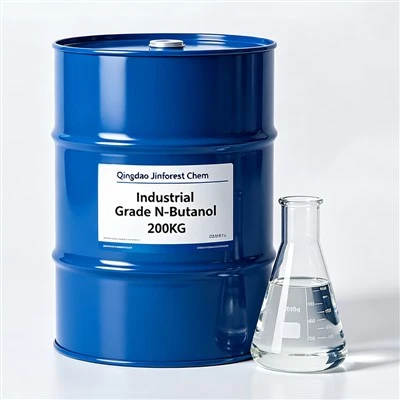
Before I wrap this up, I want to make one more thing clear: industrial chemicals in food aren’t the bad guys. They’re the unsung heroes that make our food supply possible. Without them, we’d have way more food waste, higher prices, and products that are inconsistent or unsafe. We’re proud to be part of that process, and we’re always working to improve our products and services for our clients in the food industry. If you have any questions about our food-grade industrial chemicals, or if you’re ready to chat about a project, don’t hesitate to get in touch. We’re here to help.
Alcohols References
- U.S. Food and Drug Administration. (2024). Food Additive Status List.
- European Food Safety Authority. (2023). Safety Assessment of Food Additives.
- Food and Agriculture Organization/World Health Organization. (2022). Compendium of Food Additive Specifications.
- American Chemical Society. (2021). Industrial Chemicals in Food Processing: Balancing Safety and Functionality.
- Plant-Based Foods Association. (2023). Stabilizers and Emulsifiers in Plant-Based Meat and Dairy Alternatives.
Qingdao Jinforest Chem Tech Co., Ltd.
Qingdao Jinforest Chem Tech Co., Ltd. is one of the most professional industrial chemicals manufacturers and suppliers in China. With abundant experience, we warmly welcome you to wholesale high quality industrial chemicals at competitive price from our factory. If you have any enquiry about quotation, please feel free to email us.
Address: Huangdao District, Qingdao City, Shandong Province (3002, Unit 1, Block B, No.226 Changjiang Middle Road, Former Development Zone)
E-mail: cecilia@kozorigin.com
WebSite: https://www.jinforestchem.com/
